


Survivors of the ongoing conflict in Sudan have shared disturbing accounts of widespread sexual assaults on women and young girls as they escaped from El Fasher after the city was taken over by the Rapid Support Forces.
Many of those fleeing said they witnessed acts of violence and abuse carried out openly without anyone able to stop the attackers.
El Fasher, which was the last stronghold of the Sudanese army in the Darfur region, fell on October 26 after what residents described as months of starvation, heavy fighting and fear. Since the fall of the city, aid workers and survivors have reported killings, sexual violence, abductions and other atrocities against civilians who were trying to find safety.
One survivor identified as Amira narrated what she saw, saying the acts of sexual abuse were done publicly and repeatedly. According to her, “The rapes were mass rape in public and no one could stop it.” She explained that some girls were taken away by armed men, and those who could not pay for safe passage were kept without food or water. She added, “If you had daughters of a young age, they would take them immediately. They said, since you cannot pay, we will take the girls.”

Reports made available by officials and rights groups indicate that the number of affected victims is high. The Sudanese state minister for social welfare, Sulimah Ishaq, confirmed that around 300 women were killed on the day El Fasher fell, “some after being sexually assaulted.” Another independent humanitarian organisation in Darfur documented more than 150 cases of sexual violence in the days following the incident.
The United Nations also confirmed that at least 25 women were attacked when armed fighters entered a shelter for displaced persons. A United Nations rights official, Seif Magango, stated that witnesses reported how women and girls “were selected and raped at gunpoint.” Some male survivors also shared that women were searched, beaten and humiliated while travelling, with attackers using force and threats to abuse them.
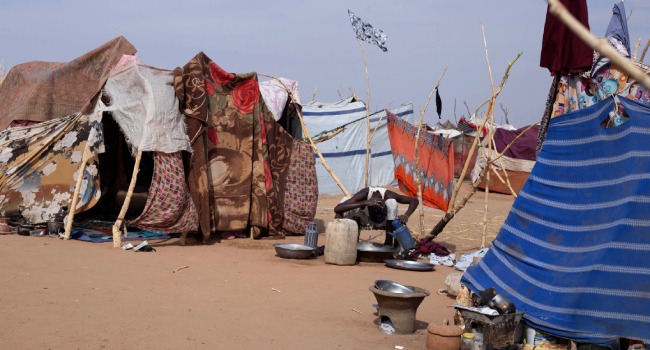
About 65,000 people have now fled El Fasher since the city was taken. Thousands who escaped are currently staying in Tawila and nearby communities that were already struggling with overcrowded camps. Humanitarian workers say urgent assistance is required as families are left without food, water, medicine and shelter. They also called for psychological support for victims who have been left in severe shock and trauma due to the experiences they witnessed.
