


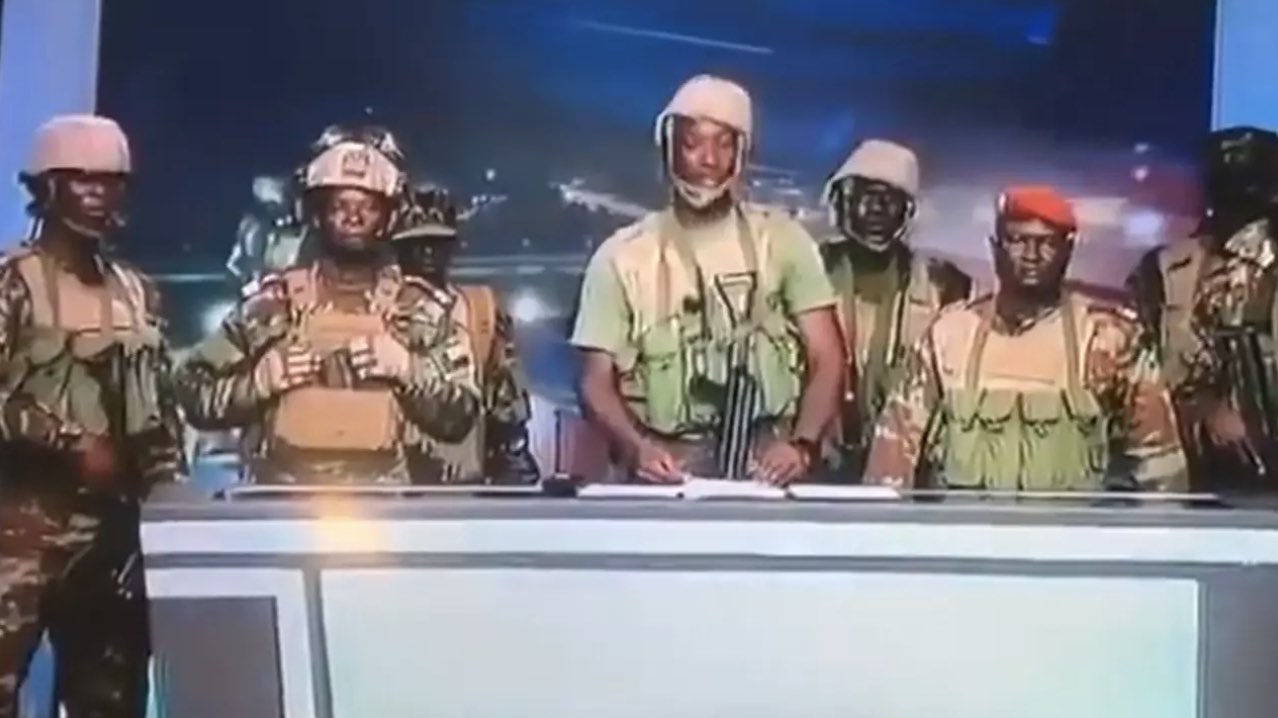
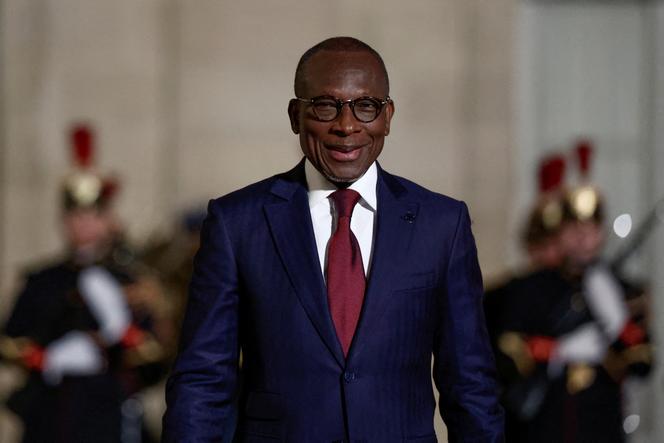
On Sunday, a group of soldiers in the President Patrice Talon administration’s army claimed — via national television — to have removed him from power and dissolved the government. The soldiers identified themselves as the Military Committee for Refoundation (CMR), naming Lt. Col. Pascal Tigri as their leader.
The government swiftly rejected the coup attempt: Talon remains safe, the regular army moved to contain the situation, and control over key institutions was restored.
The Coup Attempt — What Happened
Attack and Seizure of State Assets
-
In the early hours of December 7, the CMR reportedly launched an attack on Talon’s official residence in the Guézo area near the capital.
-
The plotters then stormed the national broadcaster and seized control of state television — through which they announced the removal of the president and dissolution of all state institutions.

-
In their broadcast, they declared that the current constitution and institutions were suspended, and appointed Lt. Col. Tigri as head of the new military authority.
Gunfire, Uncertainty, and Initial Panic
-
Independent reports noted gunfire near Camp Guézo — close to the president’s residence — as well as disturbances in the commercial capital. The French Embassy in Benin issued a public advisory for foreign nationals to stay indoors.
-
For a brief period, the status of the head of state and government institutions remained uncertain, contributing to anxiety across the country.
Government Reaction — “Small Group, Isolated Disruption”
Statements from Presidency and Military
-
Hours after the broadcast, officials said the coup attempt was orchestrated by a “small group of individuals” who had only managed to seize the television station — not the presidential residence or other strategic installations.
-
Government forces — described as regular army and loyal security units — mobilised quickly to retake control.
-
According to the government, city and national security have been restored, and normalcy is gradually returning.
Outcome of the Attempt
-
As of the latest confirmation, the rival soldiers did not occupy the presidential offices nor the official residence.
-
The state television signal was cut later in the morning, indicating the reassertion of control by the regular forces.
-
No independent verification yet of widespread violence or mass arrests — the government describes the situation as contained.
Who are the Coup Plotters — Motive and Identity
-
The self-styled “CMR” claims the existing government had mismanaged state affairs, though no detailed manifesto has been released publicly.
-
The named leader, Lt. Col. Pascal Tigri, addressed the nation via the seized state broadcaster.
-
Observers note this marks a rare major challenge to the authority of President Talon, who has led the country since 2016 and is constitutionally due to step down after elections scheduled for April 2026.
Context — Why It Matters
-
The region has experienced a string of military takeovers in recent years; an attempted coup in a relatively stable democracy like Benin is therefore especially significant.
-
Though Talon’s presidency has brought economic growth, critics often accuse his administration of centralising power — which may have contributed to discontent within military ranks.
-
The timing — months ahead of scheduled elections — adds to speculation about whether the coup is linked to the country’s political transition and succession plans.
What Happens Next — Uncertainty and Watchfulness
-
Authorities have launched investigations into the identities and motives of the coup plotters, and are reportedly tracking down all involved.
-
Security measures remain heightened across major cities, and communications remain somewhat restricted while the situation stabilises.
-
International observers are watching closely — Benin Republic has long been viewed as a stable democracy in West Africa; how this episode affects regional stability and democratic norms remains an open question.
