


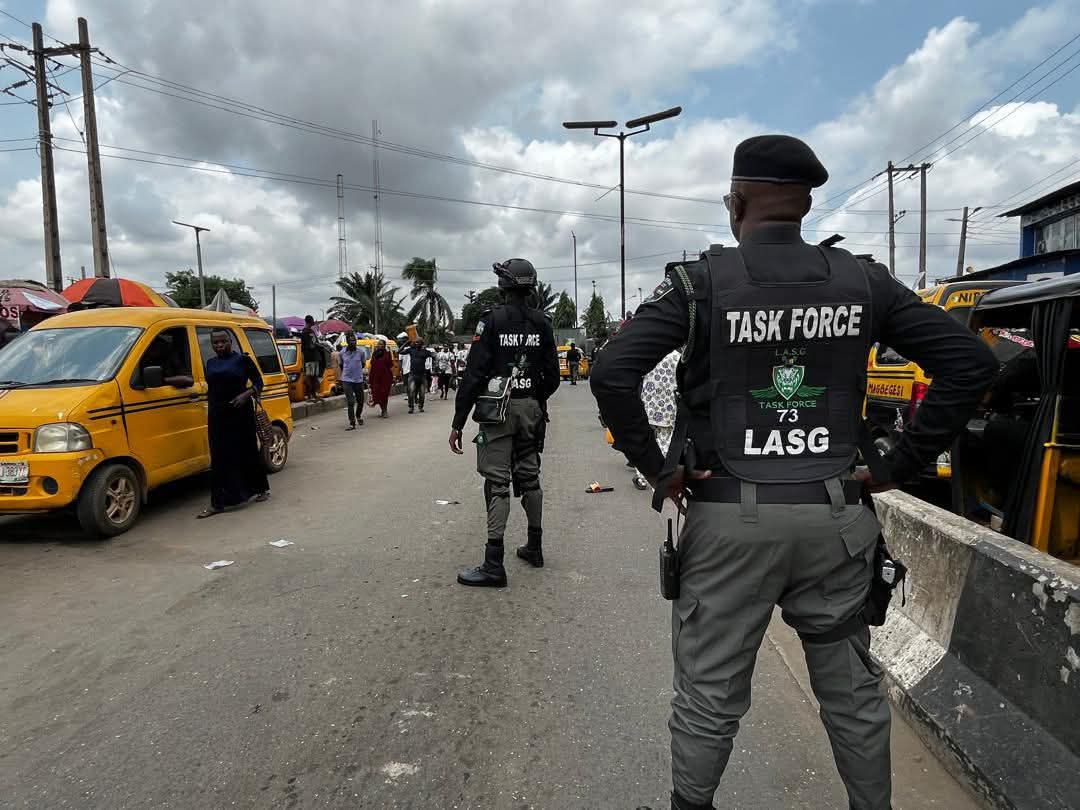
The Commissioner of Police in Lagos State, Fatai Tijani, has ordered the immediate withdrawal of the Lagos State Environmental Sanitation and Special Offences Unit (Task Force), from all traffic control and enforcement duties across the state. This directive represents a major shift in Lagos’ traffic governance framework and reflects broader concerns about accountability, operational overlap, and public trust in enforcement agencies.
Official Directive and Communication
The announcement was formally communicated by the Police Public Relations Officer, Abimbola Adebisi, who stated that the decision is part of ongoing reforms aimed at improving professionalism and streamlining operations.
According to the official statement:
“The Lagos State Police Command wishes to inform the general public that the Commissioner of Police… has directed the immediate and complete withdrawal of the Lagos State Environmental Sanitation and Special Offences Unit (Taskforce), from traffic control and traffic contravention enforcement across the state.”
Key highlights of the directive include:
- Immediate and total withdrawal from traffic duties
- Focus on professionalism, accountability, and clarity of roles
- Confirmation that non-traffic responsibilities remain intact
The police further clarified that the Task Force is not the only enforcement body in Lagos and urged citizens to verify the identity of officials before making allegations.
Background and Triggering Events
a. Public Backlash and Viral Incident
The directive follows widespread criticism of Task Force operations, intensified by a viral video published by ObjectvMedia.


The video allegedly showed:
- A task force operative seizing control of a motorist’s vehicle
- Repositioning it on a one-way road to fabricate a traffic offence
- Demanding money from the driver
The motorist denied committing any offence, while another voice in the video claimed the individual was detained and eventually imprisoned despite attempts to seek intervention from Adetayo Akerele.
b. Allegations of Misconduct
The incident reinforced longstanding complaints, including:
- Extortion of motorists
- Abuse of authority
- Fabrication of traffic violations
- Arbitrary arrests and detention
In response, the police initiated an investigation into the allegations.
Rationale for the Withdrawal
a. Institutional Reform
The Lagos State Police Command aims to restore order and discipline by ensuring that only properly mandated agencies handle traffic enforcement.
b. Elimination of Operational Overlap
Traffic management in Lagos has long involved multiple agencies, often leading to duplication of duties and conflict. This directive seeks to streamline responsibilities.
c. Restoration of Public Trust
Public confidence in enforcement institutions has been weakened by repeated allegations of misconduct. The withdrawal signals responsiveness to citizen concerns and media scrutiny.
Scope and Limitations of the Directive
It is important to note that:
- The withdrawal applies strictly to traffic-related duties
-
The Task Force continues to operate in areas such as:
- Environmental sanitation enforcement
- Special operations and compliance monitoring
- Other traffic enforcement agencies remain active and responsible
Implications for Key Stakeholders
a. Lagos State Government
- Must ensure clear policy coordination among enforcement bodies
- Opportunity to strengthen institutions like LASTMA
- Responsibility to monitor compliance and prevent power vacuums
b. Law Enforcement Agencies
- Need for role clarity and inter-agency cooperation
- Increased responsibility on designated traffic agencies
- Necessity for improved training, ethics, and oversight
c. Motorists and the Public
- Encouraged to verify identities of enforcement personnel
- Greater awareness of rights and lawful procedures
- Expected to remain law-abiding and cooperative
d. The Task Force Unit
- Retains operational relevance but with reduced public-facing authority
- Faces increased scrutiny and need for institutional reform
Implementation Considerations
For effective execution of this directive, the following measures are critical:
a. Clear Reassignment of Duties
Traffic enforcement responsibilities should be formally reassigned to recognised agencies with defined mandates.
b. Monitoring and Accountability Mechanisms
- Establish complaint and reporting systems
- Deploy body cameras or digital tracking where possible
- Ensure disciplinary measures for misconduct
c. Public Awareness Campaigns
- Educate residents on which agencies are authorised for traffic control
- Promote transparency and trust
d. Inter-Agency Coordination Framework
- Regular coordination meetings
- Defined communication channels
- Joint operational guidelines
Broader Policy and Governance Context
This development reflects a growing trend in urban governance toward:
- Accountability-driven policing
- Citizen-led oversight through digital media
- Reduction of informal or overlapping enforcement structures
It also highlights the increasing role of viral media in shaping public policy and accelerating institutional responses.
Conclusion
The withdrawal of the Lagos Task Force from traffic duties marks a pivotal moment in the reform of traffic enforcement in Lagos. Initiated by CP Fatai Tijani and communicated through Abimbola Adebisi, the directive addresses deep-rooted concerns about misconduct, inefficiency, and lack of accountability.
While the decision has the potential to improve professionalism and restore public trust, its success will depend heavily on effective implementation, sustained oversight, and cooperation among all stakeholders.