


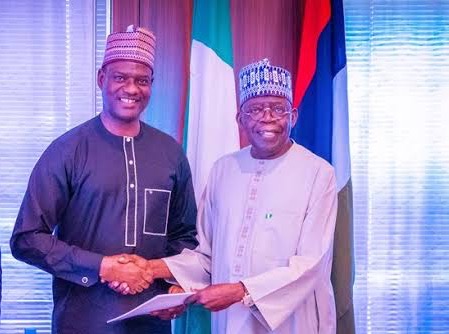
Nigeria’s landmark tax reforms will go into effect on January 1, 2026, as scheduled, despite recent public concerns and calls for postponement, Taiwo Oyedele, Chairman of the Presidential Committee on Fiscal Policy and Tax Reforms, has reiterated. The statement followed a high-level meeting between Oyedele and President Bola Ahmed Tinubu in Lagos, where progress on the implementation of the reforms was reviewed.
Oyedele’s remarks come amid ongoing discussions over amendments to the recently gazetted tax laws and heightened public interest in how the new regime will affect workers, businesses and the wider economy.
Why the Rollout Will Proceed
Addressing journalists after briefing President Tinubu, Oyedele stressed that there will be no delay in the launch of the remaining components of the tax reform framework, particularly the Nigerian Tax Act and the Nigerian Tax Administration Act. These two laws, he explained, complete the full overhaul of the nation’s tax architecture, following the earlier commencement of the Nigeria Revenue Service (Establishment), Act and the Joint Revenue Board (Establishment), Act in June 2025.
He described the reforms as “pro-people” and growth-oriented, emphasising that they were structured to ease the tax burden on ordinary Nigerians and stimulate economic activity:


-
An estimated 98% of workers will either pay no PAYE (Pay-As-You-Earn), tax or see their personal tax obligations reduced.
-
About 97% of small businesses are expected to be exempted from Corporate Income Tax, VAT, and Withholding Tax, with larger firms also facing lower effective tax rates.
According to the government, the reforms aim to broaden the tax base, improve compliance, and foster a fairer, more inclusive tax system that supports shared prosperity.
Response to Controversy and Legislative Review
The announcement comes at a time when some legislators and members of the public raised concerns about discrepancies between the tax bills passed by the National Assembly and the versions that were gazetted for public implementation.
In response, the House of Representatives and Senate have directed the re-gazetting of the tax laws to ensure accuracy and transparency in legislative records.
Oyedele welcomed the review process, noting the government’s willingness to work with lawmakers where necessary — while stressing that this administrative action does not affect the scheduled January 1 rollout.
Government’s Preparations and Objectives
The Fiscal Policy and Tax Reforms Committee has expressed confidence in its readiness to execute the transition. Six months have been spent since presidential assent in June preparing systems, engaging stakeholders, and boosting public awareness — measures intended to ensure a smooth implementation process.
Officials have also clarified that the primary aim of the reforms is not immediate revenue generation, but rather long-term economic growth, fairness, and improved tax culture. By eliminating distortionary incentives, rationalising the tax framework, and encouraging voluntary compliance, the government believes it will ultimately strengthen public finances and the overall business environment.
Looking Ahead
With less than a week left before the planned effective date, government assurances seek to calm public anxiety and reaffirm the commitment to the tax reform timeline. State and federal agencies are preparing for the transition, which — if successfully implemented — could represent one of the most significant shifts in Nigeria’s fiscal policy landscape in decades.