


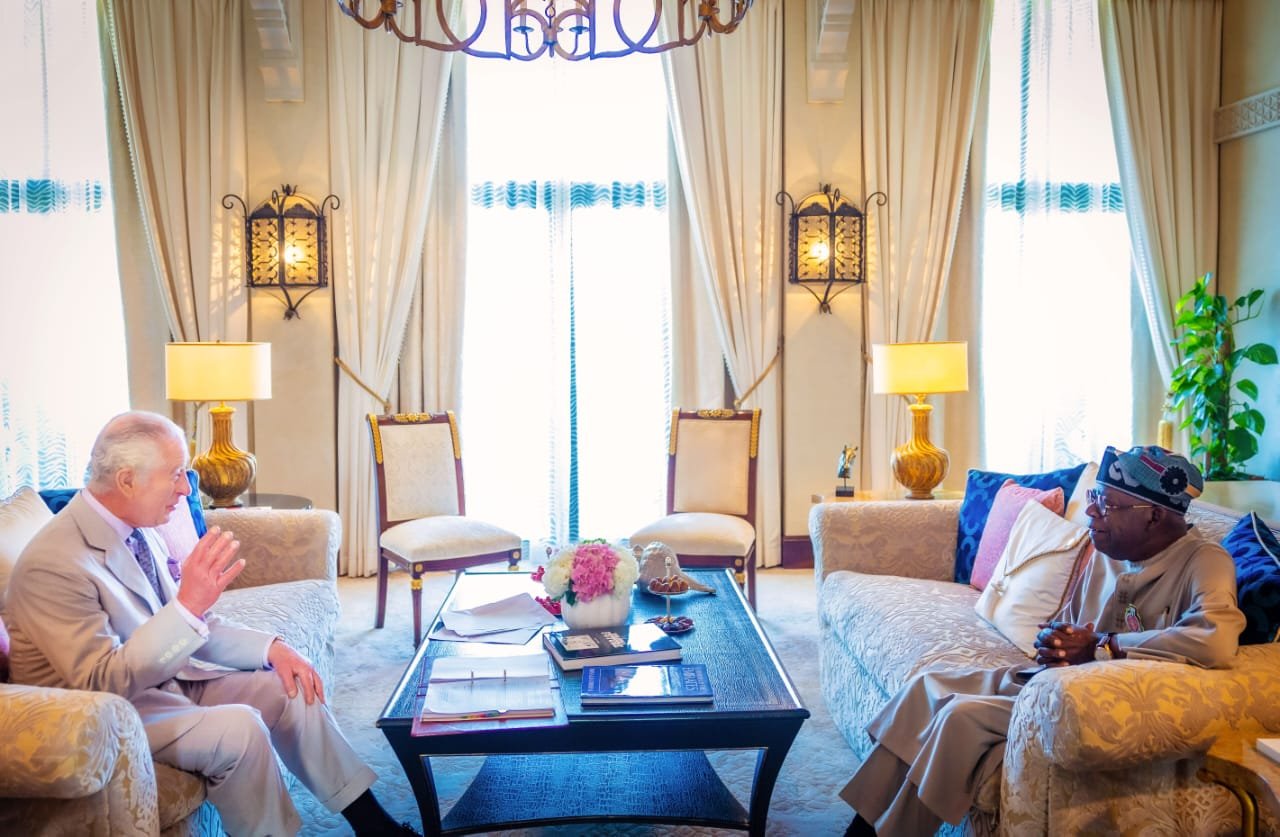
The Federal Government of Nigeria has alleged that an embattled mining firm, Jupiter Ltd, is planning a deliberate campaign to discredit Nigeria during the forthcoming state visit of President Bola Ahmed Tinubu to the United Kingdom. According to the government, the alleged campaign is aimed at spreading misinformation about developments in Nigeria’s mining sector following the revocation of certain mineral licences linked to the company.
Officials claim that the effort is intended to undermine the reforms currently being implemented in the solid minerals sector and to damage Nigeria’s reputation in the international community.
Government’s Allegations
The allegations were disclosed on Sunday by the Federal Ministry of Solid Minerals Development in a statement issued by the Special Assistant on Media to the Minister, Segun Tomori.
According to the ministry, Jupiter Ltd and its associates are planning what it described as a “campaign of calumny” to coincide with President Tinubu’s official visit to the United Kingdom. The statement claims the objective of the campaign is to circulate misleading information about Nigeria’s mining industry and portray the government’s regulatory actions as unfair or unlawful.


The ministry said earlier reports suggesting that Nigeria seized a British lithium mining project under armed guard were completely false. It emphasized that the Federal Government has no legal or contractual relationship with any company known as Jupiter Lithium.
Legal Position of the Government
The ministry explained that Nigeria’s mining laws do not allow foreign companies to directly hold mineral titles. Instead, such companies must operate through locally registered entities that comply with Nigerian regulations.
Authorities stressed that all actions taken in the disputed case followed the provisions of the Nigerian Minerals and Mining Act. According to the government, the law requires companies holding mining licences to meet specific statutory obligations, including the payment of annual service fees.
Officials insisted that the enforcement of these rules is part of the government’s broader effort to strengthen transparency and accountability in the mining sector.
Revocation of Mining Licences
The dispute reportedly stems from the revocation of mineral titles belonging to Basin Mining Ltd, a Nigerian company allegedly linked to Australian businessman Steve Davis.
The ministry stated that the revocation occurred after the company failed to fulfill its statutory financial obligations. Specifically, Basin Mining Ltd allegedly failed to pay annual service fees totaling ₦2.494 billion for the 2024 and 2025 fiscal years.
The unpaid fees were tied to several mineral titles, including:
-
45454ML
-
45117ML
-
45118ML
-
40532ML
-
40533ML
After due notice was issued in accordance with regulatory requirements, the licences were revoked by the government.
Government’s Claims of Speculative Mining Practices
Authorities further alleged that Davis has interests in several mining companies operating in Nigeria. These reportedly include:
-
Comet Minerals Ltd
-
Basin Mining Ltd
-
Range Mining Ltd
-
Northern Numero Ltd
-
Sunrise Minerals Ltd
-
Iron Ore Mining Ltd
According to the ministry, such structures are sometimes used by speculators who acquire mineral licences but fail to develop them. Officials say this practice has contributed to dormant mining licences and illegal mining activities across the country.
The government argued that the enforcement actions against Basin Mining Ltd demonstrate its commitment to ending speculative practices and ensuring that Nigeria’s mineral resources are properly developed.
Denial of Claims Involving Chinese Firms
The ministry also rejected claims that the revoked licences were reassigned to a Chinese company. Officials described the allegation as a fabrication designed to mislead both Nigerians and international observers.
According to the government, the claims form part of the alleged campaign aimed at portraying Nigeria as hostile to foreign investors.
Nigeria’s Mining Sector Reforms
The Tinubu administration has prioritised reforms in the solid minerals sector as part of efforts to diversify the economy away from crude oil dependence.
Nigeria possesses significant deposits of minerals such as:
-
Lithium
-
Gold
-
Iron ore
-
Rare earth elements
The global demand for lithium has increased significantly due to its role in producing batteries for electric vehicles and energy storage technologies.
As part of its reform program, the government has introduced several incentives to attract legitimate investors. These include:
-
Tax waivers on imported mining equipment
-
Full repatriation of profits for investors
-
Regulatory improvements aimed at enhancing the ease of doing business
Officials say these initiatives are designed to create a transparent and investor-friendly environment while ensuring compliance with Nigerian laws.
Upcoming UK State Visit
The issue has emerged just days before President Tinubu’s scheduled state visit to the United Kingdom from March 18 to 19, 2026. The visit follows an invitation from King Charles III, who is expected to host the President Tinubu-led administration at Windsor Castle.
The trip is expected to focus on strengthening diplomatic relations between Nigeria and the United Kingdom.
Key areas of discussion are likely to include:
-
Trade and investment cooperation
-
Security collaboration
-
Migration management
-
Economic partnerships
The visit will be historically significant as it will mark the first state visit by a Nigerian president to the United Kingdom in 37 years.
Conclusion
The Federal Government maintains that the revocation of the disputed mining licences was carried out strictly in accordance with Nigeria law and that claims of unfair treatment are unfounded. Officials have warned that attempts to discredit the country during the president’s visit to the United Kingdom will not deter ongoing reforms in the mining sector.
Authorities reiterated that Nigeria remains open to serious investors who are willing to operate within the country’s legal and regulatory framework. At the same time, the government has emphasized that it will continue enforcing regulations to ensure transparency, accountability, and sustainable development of Nigeria’s mineral resources.