


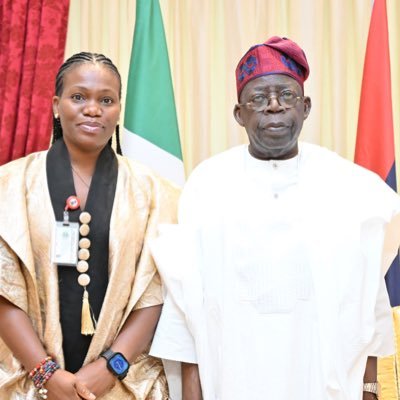
In a renewed push to calm tensions and rebuild trust in conflict-ridden Plateau State, President Bola Ahmed Tinubu has deployed his emissary, Dr. Abiodun Essiet, to lead an intensive two-day peace mission that brought together Christian clerics, Fulani leaders, traditional rulers, and community representatives from across the state.
The visit comes at a delicate time, as Reverend Ezekiel Dachomo, one of Plateau’s most vocal Christian figures and by extension, Nigeria, has repeatedly accused the government and Fulani herder groups of complicity in attacks on Christian communities — and has threatened to escalate the matter to the International Criminal Court (ICC). Against this charged backdrop, Essiet’s mission was framed as both a peace-building effort and a strategic outreach aimed at preventing deeper fractures.
Two Days of Shuttle Diplomacy
Dr. Essiet, Senior Special Assistant to the President on Community Engagement (North Central), arrived last Thursday and immediately embarked on a series of high-level engagements.
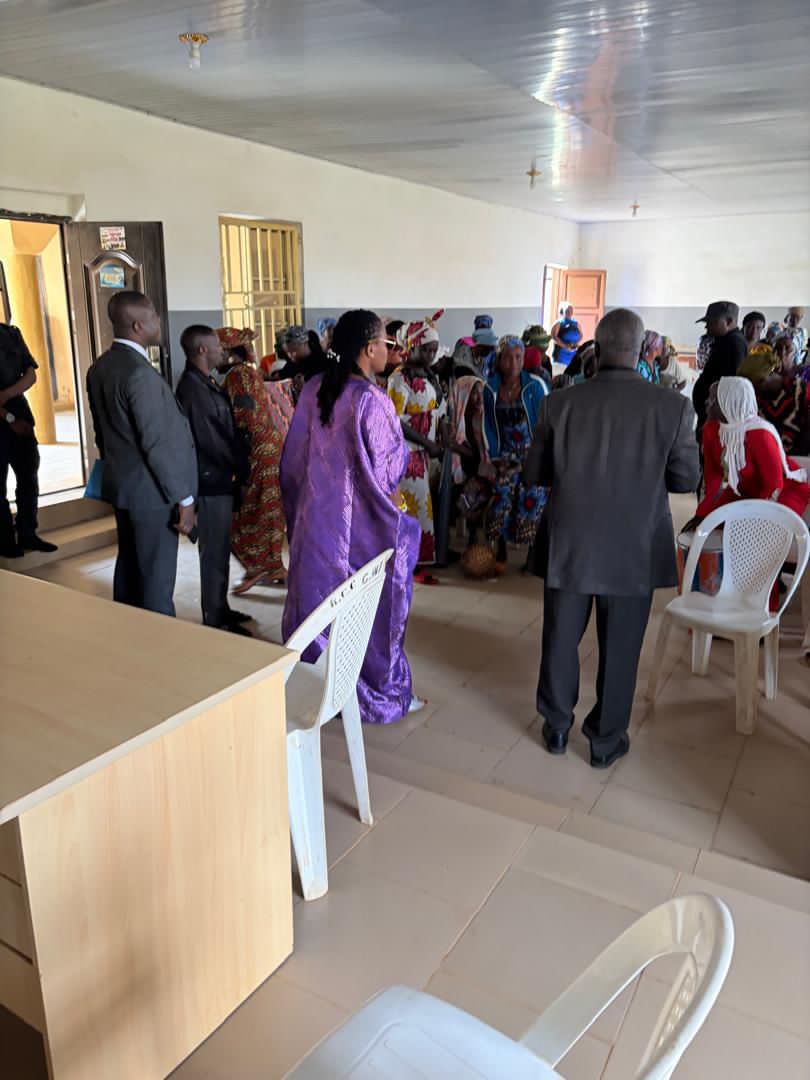



Her first stops were meetings with Christian clerics and Fulani community leaders, culminating in a large town hall meeting in Jos. Delegates from multiple local government areas, traditional rulers, women and youth leaders gathered to examine ways to strengthen community-based peace structures and promote coexistence among the state’s ethnically diverse population.
Meeting the Cleric Behind the ICC Threat
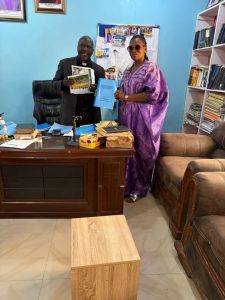
One of the most consequential parts of Essiet’s visit was her courtesy call to Reverend Ezekiel Dachomo, Chairman of the Regional Church Council (RCC), in Barkin Ladi. Dachomo has emerged as the loudest voice for Christian communities in Plateau, insisting that the violence targeting Christians amounts to ethnic and religious cleansing. His threats to drag Nigeria before the ICC have added international weight to the internal crisis.
During the meeting, discussions centred on:
-
The role of faith-based leadership in reconciliation
-
Healing fractured relationships between communities
-
The government’s responsibility in upholding justice and restoring peace
Essiet also joined Rev. Dachomo in addressing widows affected by the prolonged violence, delivering President Tinubu’s message of ethnic reconciliation and assurance that the federal government is taking steps to prevent further atrocities.
Dialogue with Miyetti Allah and Fulani Leaders
Recognizing that sustainable peace must include all sides, Essiet also met Fulani leaders in Barkin Ladi, initiating frank conversations aimed at bridging the gap between pastoralist and farming communities. In a state where much of the violence has been attributed to farmer-herder clashes, the symbolism of this meeting was not lost on observers.
She reaffirmed the Federal Government’s commitment to inclusive engagement, emphasizing dialogue, mutual respect, and collaborative problem-solving.


Building a 17-Member Peace Structure
Later in the day, Dr. Essiet facilitated a workshop in Jos focused on establishing a community peace structure across all 17 Local Government Areas.
This framework is designed to:
-
Serve as an early-warning mechanism
-
Encourage cross-community dialogue
-
Provide neutral ground for conflict resolution
- Strengthen local monitoring of peace agreements
The same theme carried into a closed-door meeting involving the Irigwe community, the Miyetti Allah Cattle Breeders Association of Nigeria (MACBAN), and representatives of the Youth Council in Bassa LGA. The dialogue stressed the critical role of the 17-member peace committee in sustaining reconciliation.
Essiet reiterated that President Tinubu remains “unwaveringly committed to peace and inclusive governance,” and that grassroots structures like this are essential for long-term stability in Nigeria’s North-Central region.

A Quick Win: Compensation and Peace Undertaking
A tangible early success punctuated the peace mission.
A dispute between David Toma, owner of Agha Farm in Gyel district of Jos South, and a group of herdsmen had escalated after Toma seized two cows following the destruction of his farmland. On November 15, the MACBAN Chairman of Bassa LGA, Alhaji Isah Yau, paid ₦500,000 compensation to Toma, who subsequently released the cows.
The two parties — along with community leaders — signed an undertaking pledging to maintain peace. The resolution was widely hailed as an encouraging sign that dialogue-driven mediation can work when supported by both community and federal stakeholders.
Conclusion
Dr. Essiet’s deployment to Plateau State marks one of the President Tinubu administration’s boldest grassroots interventions to date. With a cleric threatening to drag Nigeria before the ICC, rising mistrust between communities, and years of cyclical violence, the stakes could not be higher.
Yet the mission — which blended diplomacy, community dialogue, faith engagement, and practical conflict resolution — has opened new channels of communication. Whether these early gains translate into long-term peace will depend on sustained political will, community participation, and transparent justice mechanisms.