


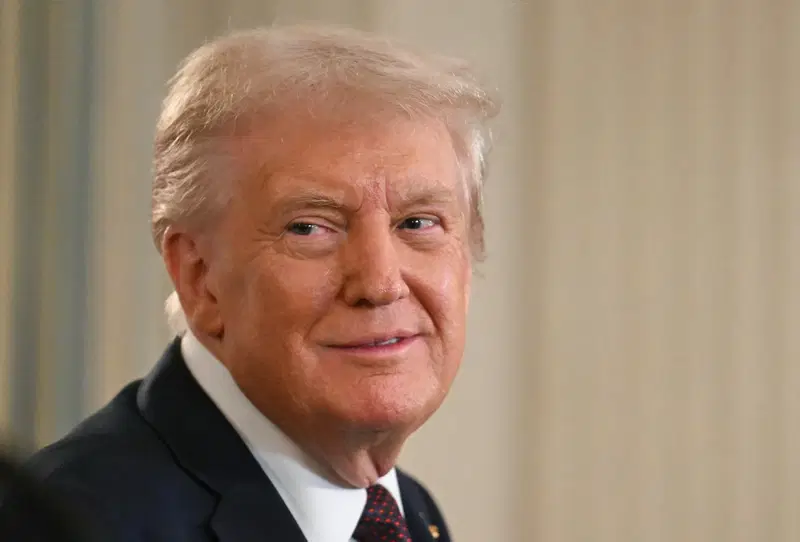
United States President Donald Trump has signed an executive order reducing tariffs on Chinese goods linked to fentanyl production, as part of efforts to strengthen cooperation with China and address the growing opioid crisis in the US.
The decision followed recent discussions between Trump and Chinese President Xi Jinping on improving measures to control the flow of chemicals used to produce the synthetic drug.
The order lowers tariff rates on fentanyl related precursor imports from China from 20 percent to 10 percent, with effect from November 10. According to officials, the move is aimed at encouraging China to keep its commitment to tightening regulations on the export of key chemical components associated with fentanyl. Trump said the tariff adjustment was part of a strategic approach to secure China’s cooperation in reducing illegal drug trafficking.
As part of the agreement reached between both countries, China is expected to ease or suspend certain export restrictions and retaliatory trade measures. It is also expected to resume purchases of American agricultural products, including soybeans, which were affected during the trade dispute between the two nations.


The White House stated that the tariff reduction will not be permanent, noting that China will be closely monitored to ensure compliance. The US government made it clear that if China fails to uphold its commitments, Washington reserves the right to restore previous tariff levels or introduce stricter trade penalties. Officials said the policy is designed to ensure accountability and measurable progress.
American authorities expressed optimism that stronger cooperation with China will help limit the illegal production and distribution of synthetic opioids, which have contributed to thousands of overdose related deaths across the US. Trump emphasised that the agreement is not only a trade decision but also a public health measure aimed at saving lives.
This development marks another step in ongoing US China negotiations to ease trade tensions while addressing security and health concerns. Analysts believe the new approach may rebuild trust between the two countries if both sides fulfil their obligations in the coming months.