


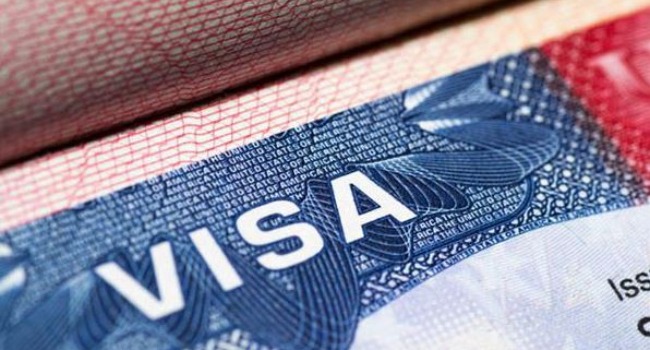
United States President Donald Trump has introduced a sweeping reform to the country’s immigration system, imposing a $100,000 annual fee on companies applying for H-1B visas to hire skilled foreign workers.
The measure, signed as a proclamation on Friday, marks one of the most dramatic overhauls of the H-1B programme in decades. The new fee will apply to businesses that sponsor foreign employees, a move the administration says is aimed at forcing firms to be more selective in hiring and to prioritize higher-paid, highly skilled workers.
Trump also unveiled a new “Gold Card” visa, which would allow wealthy individuals to secure U.S. permanent residency by paying $1 million. He described the measure as a way to restore fairness to the immigration system, saying, “For too long, companies have abused the H-1B programme to undercut American workers. By introducing this fee, we are making sure only those who truly value the skills of foreign talent will participate.”
Commerce Secretary Howard Lutnick confirmed that major corporations were consulted ahead of the decision. He said, “All the big companies are on board. They understand this is about protecting American jobs while still attracting the best talent.”


Critics, however, warned that the policy could drastically reduce the number of H-1B applications, especially from startups and smaller firms that rely on skilled foreign professionals but cannot afford the steep costs. Immigration advocates also questioned whether the president has the legal authority to impose such a fee without approval from Congress.
The H-1B visa programme, which grants 65,000 visas each year plus 20,000 for those with advanced U.S. degrees, has been a critical pipeline for technology firms, banks, and other industries to recruit international talent. Analysts say the new rule could reshape how companies plan their global workforce strategies, with some predicting an exodus of foreign professionals from the U.S. job market.