


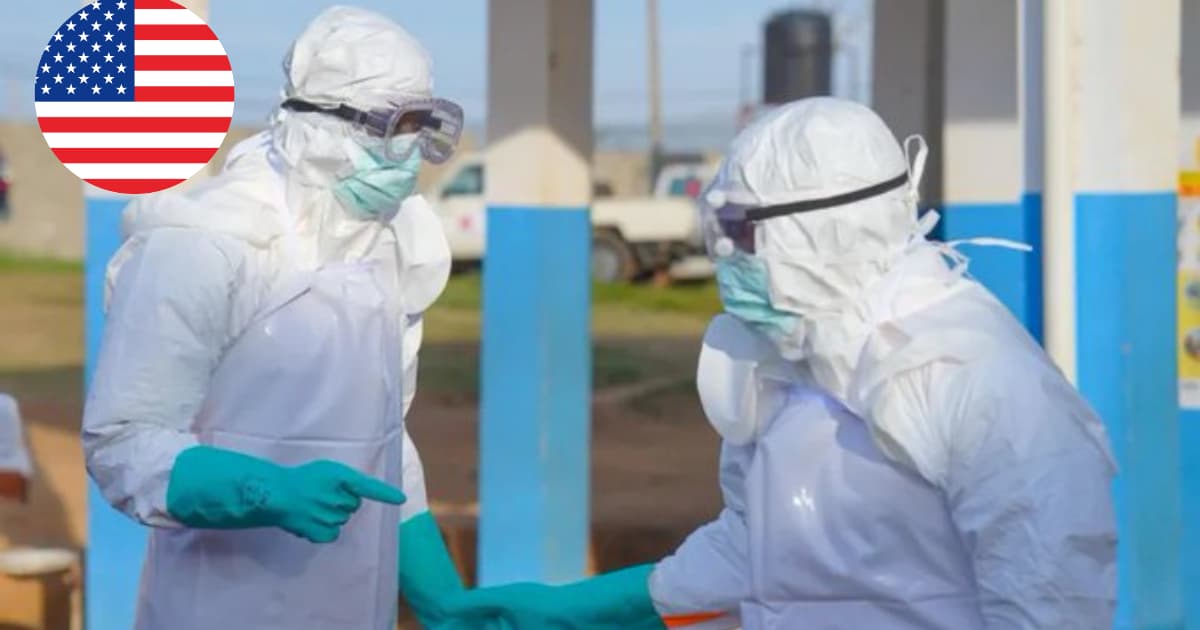
The U.S. Department of State has made a major announcement regarding the ongoing Ebola outbreak in the Democratic Republic of the Congo (DRC). In collaboration with the U.S. Centers for Disease Control and Prevention (CDC), local governments, humanitarian groups, and Congress, the United States has pledged an additional $242 million to bolster emergency response efforts, enhance preparedness, and provide humanitarian aid.
With this new funding, the Department of State’s total contribution to the Ebola response now exceeds $512 million, solidifying the U.S. as the largest financial supporter of the global effort against Ebola.
This announcement highlights the commitment to safeguarding American citizens, aiding regional governments, improving healthcare systems, boosting disease surveillance, and enhancing public communication to effectively manage the outbreak.
The Ebola outbreak in the Democratic Republic of the Congo is still a significant public health challenge, both regionally and internationally. While the situation in the DRC is still worrisome, Uganda has been praised for its swift containment efforts, which have effectively lowered the risks of transmission across borders.


In response, the U.S. Government has mobilised various agencies to coordinate their efforts, with leadership primarily coming from:
– Department of State
– U.S. Centers for Disease Control and Prevention (CDC)
– Congress
– Regional governments
– Humanitarian organisations
– International partners
This response is in line with the promises made at the G7 Leaders’ Summit on June 16, where the United States committed to providing up to $500 million in extra support for Ebola response efforts.
New Funding Announcement – Additional Allocation
The Department of State has shared its plans to offer:
We’re excited to announce a whopping $242 million in new funding!
This investment will go a long way in supporting several crucial areas, including:
– Emergency response to Ebola
– Enhancing regional preparedness
– Providing humanitarian assistance
– Strengthening disease surveillance
– Boosting health system capabilities
– Ensuring border health security
– Engaging with communities effectively
Total U.S. Contributions
After this announcement:
The State Department’s direct assistance for Ebola has surpassed an impressive $512 million. On top of that, an extra $350 million is being allocated to support humanitarian efforts in the following countries: the Democratic Republic of the Congo, South Sudan, and Uganda.
This humanitarian aid is part of the $1.8 billion contribution from the U.S. that was announced earlier for the United Nations Office for the Coordination of Humanitarian Affairs (OCHA).
Additionally, the United States is urging other donor countries and organisations to step up their financial support to help manage the outbreak.
Protecting American Citizens
One of the main focuses of our response is to ensure the safety of U.S. citizens who are living in or traveling through the impacted areas.
Consular Support
The Department of State is keeping its consular call center running around the clock, every day of the week.
You can reach out for:
– Security updates
– Health information
– Travel guidance
– Emergency assistance
Travel Assistance
The Department is here to help U.S. citizens who:
– Are currently in the DRC
– Have recently traveled through the DRC
– Are impacted by travel restrictions due to Ebola
Our support includes:
– Emergency financial assistance loans
– Temporary lodging outside the DRC
– Help with rebooking travel
– Coordination with U.S. embassies and consulates
Those who receive these emergency loans will need to repay them once they return safely to the United States.
“Do Not Board” Restrictions
If you’re impacted by public health “Do Not Board” restrictions, we recommend reaching out to:
– The closest U.S. Embassy
– The nearest U.S. Consulate
– The Department of State
These officials can help you with:
– Travel options
– Health guidance
– Information on financial assistance eligibility
Travel Advisories
The Department has issued a Level 4 – Do Not Travel advisory for the following countries:
– Democratic Republic of the Congo
– Uganda
– South Sudan
Travel to these nations is strongly discouraged for Americans due to the ongoing health and security concerns linked to the Ebola outbreak.
Regional Ebola Response Strategy
The funding is designed to back a thorough public health strategy that aims to curb disease transmission while also bolstering regional healthcare systems.
Key components of the response include:
1. Disease Surveillance
With enhanced surveillance, health authorities can:
– Quickly spot new infections
– Keep an eye on outbreaks
– Trace contacts
– Pinpoint transmission chains
Early detection is crucial for stopping widespread community transmission in its tracks.
2. Isolation and Treatment
This funding goes towards:
– Ebola Treatment Units
– Isolation facilities
– Clinical management
– Patient care
By isolating patients rapidly, we can minimize the chances of further infections and improve outcomes for those affected.
3. Border and Point-of-Entry Screening
Resources are being allocated to strengthen health screenings at:
– International borders
– Airports
– Land crossings
– Transportation hubs
These efforts help lower the risk of both regional and international spread.
4. Strengthening Health Facilities
Support encompasses:
– Medical equipment
– Infection prevention systems
– Staff training
– Emergency preparedness
– Operational support
Boosting healthcare capacity not only aids Ebola patients but also enhances routine medical services.
5. Community Engagement
A vital part of the response is centered on:
– Fighting misinformation
– Building trust within the community
– Public education
– Encouraging early symptom reporting
– Promoting safe health practices
Community cooperation is one of the most critical elements for successfully containing Ebola.
Operational Achievements
Thanks to State Department funding, we’ve seen numerous measurable outcomes.
Health Screenings
A staggering 8.6 million health screenings have been conducted across affected and at-risk countries. These screenings play a key role in identifying suspected infections early and curbing transmission.
Public Risk Communication
Over 1 million people have received vital public health messaging about:
– Ebola symptoms
– Prevention strategies
– Safe behaviors
– Available healthcare services
Healthcare Facility Support
Thanks to funding, we’ve been able to support:
Over 180 health facilities in areas hit hard by Ebola.
The direct operation of 12 specialized Ebola treatment centers in the DRC.
These centers offer:
Isolation
Diagnosis
Clinical care
Infection prevention
Medical Supplies
In total, around: 300 metric tons of emergency supplies have been procured and distributed, which includes:
Personal protective equipment (PPE)
Water, sanitation, and hygiene (WASH) materials
Infection prevention and control supplies
Other vital medical commodities
These resources are crucial for safeguarding healthcare workers and enhancing patient care.
Laboratory Capacity
Our response has bolstered diagnostic capabilities at:
11 operational laboratories throughout the affected region.
This expanded labouratory capacity allows for:
Faster diagnosis
Quicker confirmation of cases
Improved surveillance
More effective outbreak management
International Coordination
The U.S. response hinges on collaboration among various stakeholders, including:
National governments
Regional health authorities
International organizations
Humanitarian agencies
Private-sector partners
Healthcare providers
Local communities
Working closely with the CDC ensures that our operational decisions are guided by scientific expertise throughout the response.
Strategic Objectives
The overarching goals of the Ebola response aim to achieve several long-term objectives:
Break transmission chains.
Rapidly detect cases.
Strengthen healthcare infrastructure.
Enhance laboratory capacity.
Protect healthcare workers.
Boost border health security.
Build public trust through community engagement.
Prevent international spread.
Safeguard U.S. citizens abroad.
Encourage greater participation from international donors.
In brief:
The announcement made on August 5, 2026, marks a significant boost in the United States’ efforts to tackle the Ebola outbreak in the Democratic Republic of the Congo and its neighbouring regions. With an additional commitment of $242 million, the total direct assistance from the State Department for Ebola now exceeds $512 million.
This funding is designed to enhance various aspects of the response, including surveillance, treatment, labouratory capabilities, border screening, and community involvement, all while complementing broader humanitarian efforts.
Moreover, the response places a strong emphasis on ensuring the safety of U.S. citizens through travel advisories, consular support, and emergency financial aid.
The operational successes achieved so far; such as millions of health screenings, improved healthcare facilities, expanded laboratory networks, and extensive public health messaging, demonstrate a comprehensive strategy aimed at containing the outbreak, lowering mortality rates, and bolstering regional readiness for any future public health crises.