
Close Menu
Fishe News
  • Home
  • Entertainment
  • National
  • International
  • Tech
  • Politics
  • Sports
  • PMNI
  • More
    • Business
    • Culture
    • Education
    • History
    • Health
  • Featured
    • Fishe Travel
    • Fishe Media
    • Fishe TV
Facebook X (Twitter) Instagram
Trending
  • Guest Column: The $67 Million Disco — Why Nigeria Is Mispricing Its Power Sector — Adebayo Adesanya
  • Appointment Of Thomas “Tommy” Pigott As U.S. State Department Spokesperson
  • JUST-IN: Dangote Refinery Raises Petrol Price To ₦1,275/Litre Amid Rising Crude Costs
  • Protecting Children In The Digital Age
  • Beyond The Present Impasse: A Calibrated, Five-Pillar Strategic Roadmap For Restoring The Credibility, Cohesion, and Popular Legitimacy Of The Economic Community Of West African States — Tolulope A. Adegoke, PhD
  • “Obasanjo Reignites Debate On NNPC Refineries, Says They May Never Work Again”
  • “Airlines Threaten Shutdown As Jet Fuel Prices Soar Above ₦3,000”
  • Sustaining Momentum: Evaluating Progress In The DRC–Rwanda Peace Process
X (Twitter) Instagram
Fishe NewsFishe News
Subscribe
Wednesday, April 29
  • Home
  • Entertainment
  • National
  • International
  • Tech
  • Politics
  • Sports
  • PMNI
  • More
    • Business
    • Culture
    • Education
    • History
    • Health
  • Featured
    • Fishe Travel
    • Fishe Media
    • Fishe TV
Fishe News
Home»Politics

U.S. Sanctions On A Global Network Supporting Hizballah Financing

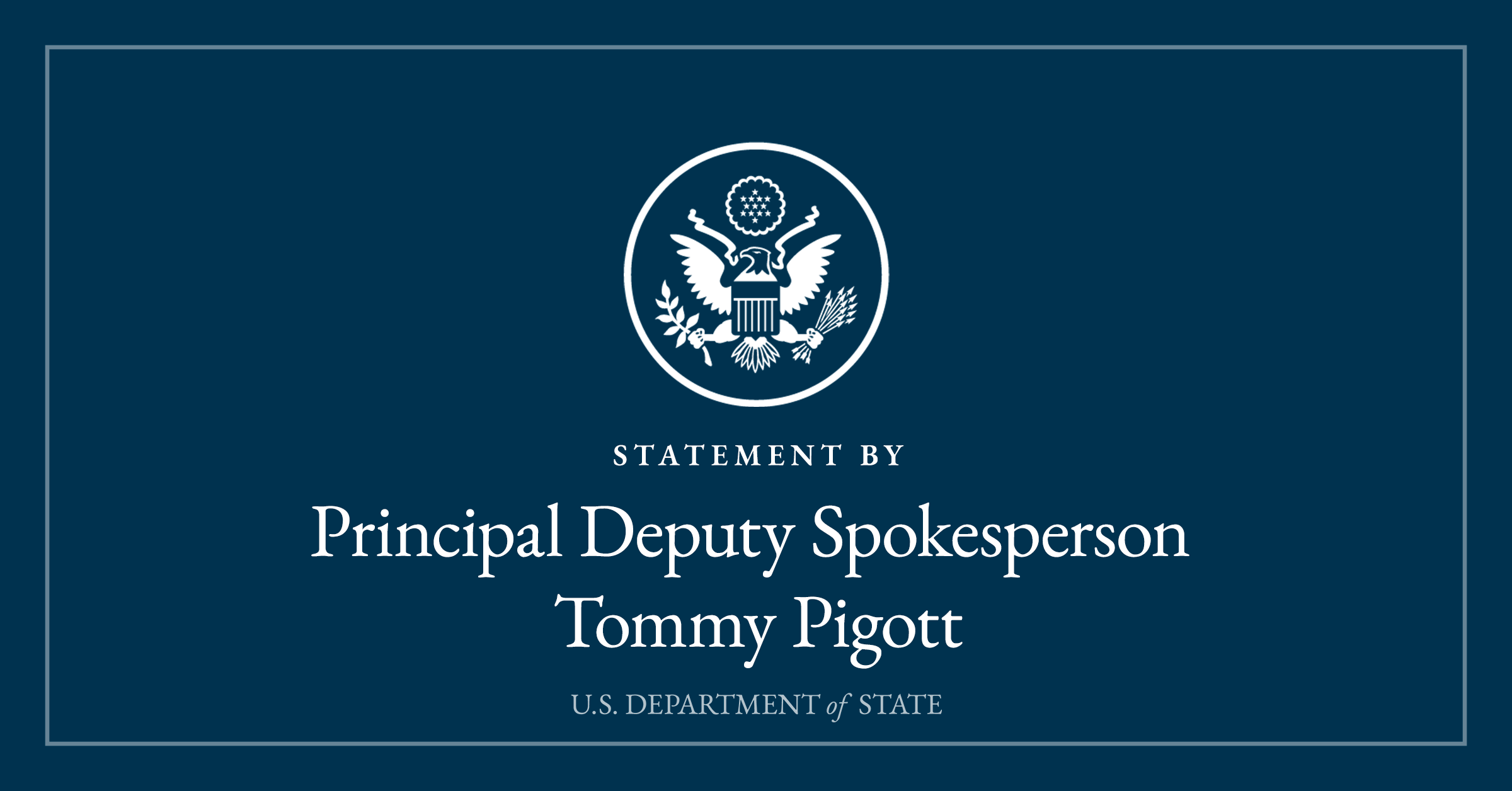
Based on the March 20, 2026 Press Statement by Thomas "Tommy" Pigott
Adejuyigbe FrancisBy Adejuyigbe FrancisMarch 24, 2026Updated:March 24, 2026 Politics No Comments3 Mins Read
Share Facebook Twitter LinkedIn Email WhatsApp

On March 20, 2026, the United States Department of State announced a new round of sanctions aimed at dismantling a global financial network tied to Hizballah. The measures specifically target individuals and entities involved in fundraising, money laundering, and financial facilitation for the group.

This action represents a continuation of U.S. counterterrorism financial strategy—focusing not only on operatives but also on the infrastructure that sustains militant activity. The network spans multiple regions, including the Middle East, Europe, and North America, highlighting the transnational nature of Hizballah’s financing operations.

Objectives of the Sanctions

The sanctions are designed to achieve several strategic goals:
  • Disrupt financial flows: Prevent Hizballah from accessing funds generated through illicit or covert commercial activities.
  • Deter global facilitators: Signal consequences for businesses and individuals enabling terrorist financing.
  • Limit operational capacity: Reduce the group’s ability to fund attacks and maintain its infrastructure.
  • Enforce compliance with international counterterrorism norms: Encourage allied nations and financial institutions to strengthen oversight.

By cutting off access to financial systems, the U.S. aims to weaken Hizballah’s operational reach without direct military engagement.

Legal Framework

The sanctions were imposed under Executive Order 13224, a key legal instrument that enables the U.S. government to freeze assets and prohibit transactions with individuals or organisations linked to terrorism.



Key historical designations include:
  • October 8, 1997: Hizballah designated as a Foreign Terrorist Organisation under the Immigration and Nationality Act.
  • October 31, 2001: Designated as a Specially Designated Global Terrorist under Executive Order 13224.

These longstanding designations provide the legal basis for continued and expanded sanctions enforcement.

Scope of the Targeted Network

According to the statement, the sanctioned network includes:
  • Front companies and commercial ventures used to generate revenue
  • Financial intermediaries facilitating cross-border transfers
  • Individuals coordinating fundraising and laundering activities
  • Projects spanning multiple continents, indicating a sophisticated and decentralised system

Such networks often exploit legitimate industries—such as construction, trade, and real estate—to obscure illicit financial flows.

Geopolitical Context

The sanctions come amid heightened regional tensions, particularly involving Israel and Iranian-backed groups. The United States government explicitly links Hizballah’s activities to the influence of Iran, describing the organisation as acting in alignment with Iranian strategic interests.

The statement also references a recent attack on Israel, reinforcing the U.S. position that Hizballah prioritises militant operations over domestic stability in Lebanon.

Humanitarian and Political Implications

The U.S. government argues that Hizballah’s financial practices have broader societal consequences:
  • Economic strain on Lebanese civilians: Resources diverted toward militant activities rather than public welfare
  • Reduced state capacity: Undermining governance and development
  • Increased instability: Heightening risks of conflict and economic collapse

The sanctions are framed not only as a security measure but also as an effort to indirectly support the Lebanese population by weakening a dominant non-state actor.

Strategic Significance

This action reflects several broader trends in U.S. policy:
  • Financial warfare as a primary tool: Increasing reliance on sanctions rather than military intervention
  • Global enforcement reach: Willingness to target networks across multiple jurisdictions
  • Focus on enablers: Expanding beyond core group members to include facilitators and businesses

It also underscores the importance of international cooperation, as effective enforcement depends on coordination with foreign governments and financial institutions.

Conclusion

The March 20, 2026 sanctions represent a targeted effort by the United States to dismantle the financial backbone of Hizballah. By leveraging legal authorities such as Executive Order 13224 and focusing on a global network of facilitators, the U.S. aims to significantly constrain the group’s ability to fund operations.

While the long-term effectiveness of such sanctions depends on enforcement and international collaboration, the action signals a continued commitment to counterterrorism through economic and legal mechanisms rather than direct conflict.

#Hizballah #PMNI #Storyteller Adegoke Financing Fishe NG Francis Adejuyigbe Marketing Comms Media Agency Network News Agency PR Agency Sanctions U.S
Share. Facebook Twitter LinkedIn WhatsApp
Adejuyigbe Francis
  • Website

Thought Leader, Idea Bank, Nation Builder.

Keep Reading

Guest Column: The $67 Million Disco — Why Nigeria Is Mispricing Its Power Sector — Adebayo Adesanya

Appointment Of Thomas “Tommy” Pigott As U.S. State Department Spokesperson

JUST-IN: Dangote Refinery Raises Petrol Price To ₦1,275/Litre Amid Rising Crude Costs

Protecting Children In The Digital Age

Beyond The Present Impasse: A Calibrated, Five-Pillar Strategic Roadmap For Restoring The Credibility, Cohesion, and Popular Legitimacy Of The Economic Community Of West African States — Tolulope A. Adegoke, PhD

“Obasanjo Reignites Debate On NNPC Refineries, Says They May Never Work Again”

Add A Comment

Comments are closed.

Here is spotlighting many benefits of journeying with either Lagos State’s Blueline or Redline rails for a hassle-free day, week, month and year. Thank God for the Igbega Eko. Together we rise.
https://youtu.be/V67GV8wgyjw

Latest Posts

  • Guest Column: The $67 Million Disco — Why Nigeria Is Mispricing Its Power Sector — Adebayo Adesanya
  • Appointment Of Thomas “Tommy” Pigott As U.S. State Department Spokesperson
  • JUST-IN: Dangote Refinery Raises Petrol Price To ₦1,275/Litre Amid Rising Crude Costs
  • Protecting Children In The Digital Age
  • Beyond The Present Impasse: A Calibrated, Five-Pillar Strategic Roadmap For Restoring The Credibility, Cohesion, and Popular Legitimacy Of The Economic Community Of West African States — Tolulope A. Adegoke, PhD
Featured
About Fishe

FISHE was founded with the goal of helping clients thrive in today’s highly competitive marketing environment. While other companies rush to abandon traditional marketing in favour of digital techniques, we’ve bolstered our offline marketing capabilities while also equipping our team with seasoned professional knowledge to support our clients’ digital needs.

Through creative designs, we enhance our clients’ products and services the right way that would attract their target audience, thus, making the perception of their company a reality.

  • LTV 8, Agidingbi Road, Alausa, Ikeja, Lagos.
  • +234 806 003 7277
  • info@gofishe.com
FISHE, Your Best Plug For Bus Stop Shelter Ad

LATEST POSTS

Guest Column: The $67 Million Disco — Why Nigeria Is Mispricing Its Power Sector — Adebayo Adesanya

April 29, 2026

Appointment Of Thomas “Tommy” Pigott As U.S. State Department Spokesperson

April 29, 2026

JUST-IN: Dangote Refinery Raises Petrol Price To ₦1,275/Litre Amid Rising Crude Costs

April 29, 2026

Protecting Children In The Digital Age

April 27, 2026

Beyond The Present Impasse: A Calibrated, Five-Pillar Strategic Roadmap For Restoring The Credibility, Cohesion, and Popular Legitimacy Of The Economic Community Of West African States — Tolulope A. Adegoke, PhD

April 27, 2026
Featured

Subscribe to Updates

Get the latest news from FISHE about politics, economy, health and business, etc

Facebook X (Twitter) Instagram Pinterest
© 2026

Type above and press Enter to search. Press Esc to cancel.