


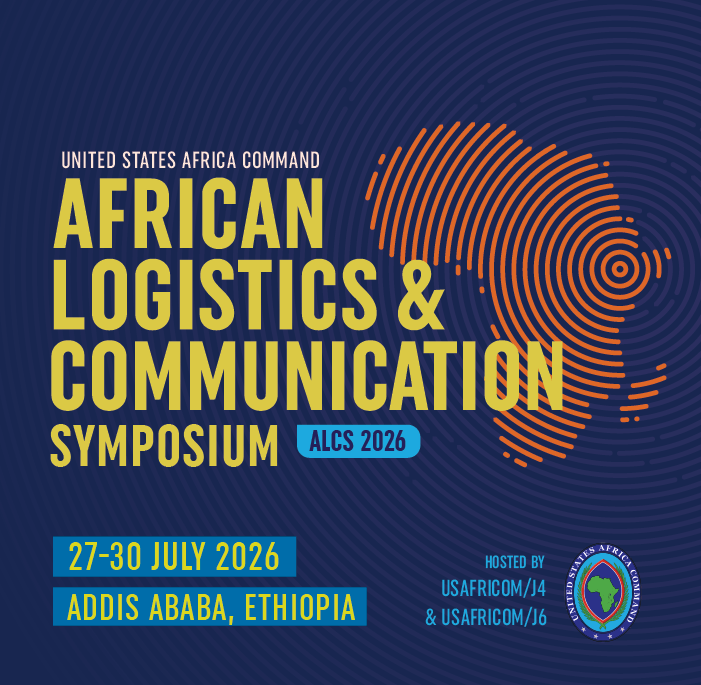
Addis Ababa, Ethiopia | July 30, 2026 — The United States has rolled out an ambitious plan aimed at strengthening its commercial, technological, and security ties across Africa. This strategy highlights the importance of transparent investments, artificial intelligence, secure digital infrastructure, modernising logistics, and empowering African-led initiatives, all discussed during the 2026 Africa Logistics and Communications Symposium (ALCS).
The high-profile digital press briefing, organised by the U.S. Department of State’s Africa Regional Media Hub, featured insights from Deputy Assistant Secretary, Mark Mitchell of the U.S. Department of Commerce and Brigadier General, Paul G. Filcek, who serves as the Director of Logistics at U.S. Africa Command (AFRICOM).
A standout participant in the briefing was Fishe Media from Nigeria, which made a significant impact by posing several policy-driven questions that shaped the conversation around America’s long-term vision for Africa’s economic growth, technological self-sufficiency, military preparedness, and the transformation of logistics.



United States Positions Itself as Africa’s Long-Term Commercial Partner
In response to Fishe Media’s inquiry about how the United States sets itself apart in the face of increasing competition from China, the European Union, Türkiye, and Gulf states, Deputy Assistant Secretary, Mark Mitchell emphasized that Washington’s strategy focuses on building partnerships driven by enterprise rather than just engaging in transactional diplomacy.
Mitchell pointed out that the United States is placing a strong emphasis on:
– Investing in the private sector for the long haul instead of relying on short-term financing;
– Fostering transparent and competitive markets;
– Focusing on the development of top-notch infrastructure;
– Encouraging technology transfer and nurturing the local workforce;
– Building resilience in supply chains;
– Establishing robust regulatory institutions and effective governance.
“TABIA to Unlock Investment-Ready Infrastructure Across Africa
At the heart of this strategy lies the Technical Assistance for Bankable Infrastructure in Africa (TABIA) program. This collaborative effort between the U.S. Departments of Commerce and State is designed to assist African governments in turning their infrastructure ideas into solid, investment-ready projects.
TABIA aims to enhance project preparation, refine regulatory frameworks, and boost investor confidence, all with the goal of attracting top-notch U.S. private-sector investment. Importantly, it focuses on ensuring that these projects provide lasting economic benefits to local communities instead of fostering unsustainable dependency.
Mitchell emphasized that the United States is committed to creating “the conditions for sustainable growth,” where commercial development goes hand in hand with security cooperation and technological progress.
AI Strategy: America Encourages African Ownership of Data, Not Isolation
One of the most meaningful discussions during the briefing came after a question from Fishe Media about artificial intelligence, data sovereignty, and innovations in logistics.
Mitchell recognised that AI holds the power to revolutionise commerce in Africa by enhancing:
– Optimising routes for better efficiency
– Streamlining customs and border processing
– Keeping the fleet in top shape with regular maintenance
– Predicting demand accurately
– Enhancing supply chain efficiency across the continent with the African Continental Free Trade Area (AfCFTA).
He pushed back against the idea that achieving technological sovereignty means manufacturing every single component at home. Instead, he suggested that African nations should aim for strategic autonomy by keeping control of their data while also utilising competitive technology from around the world.
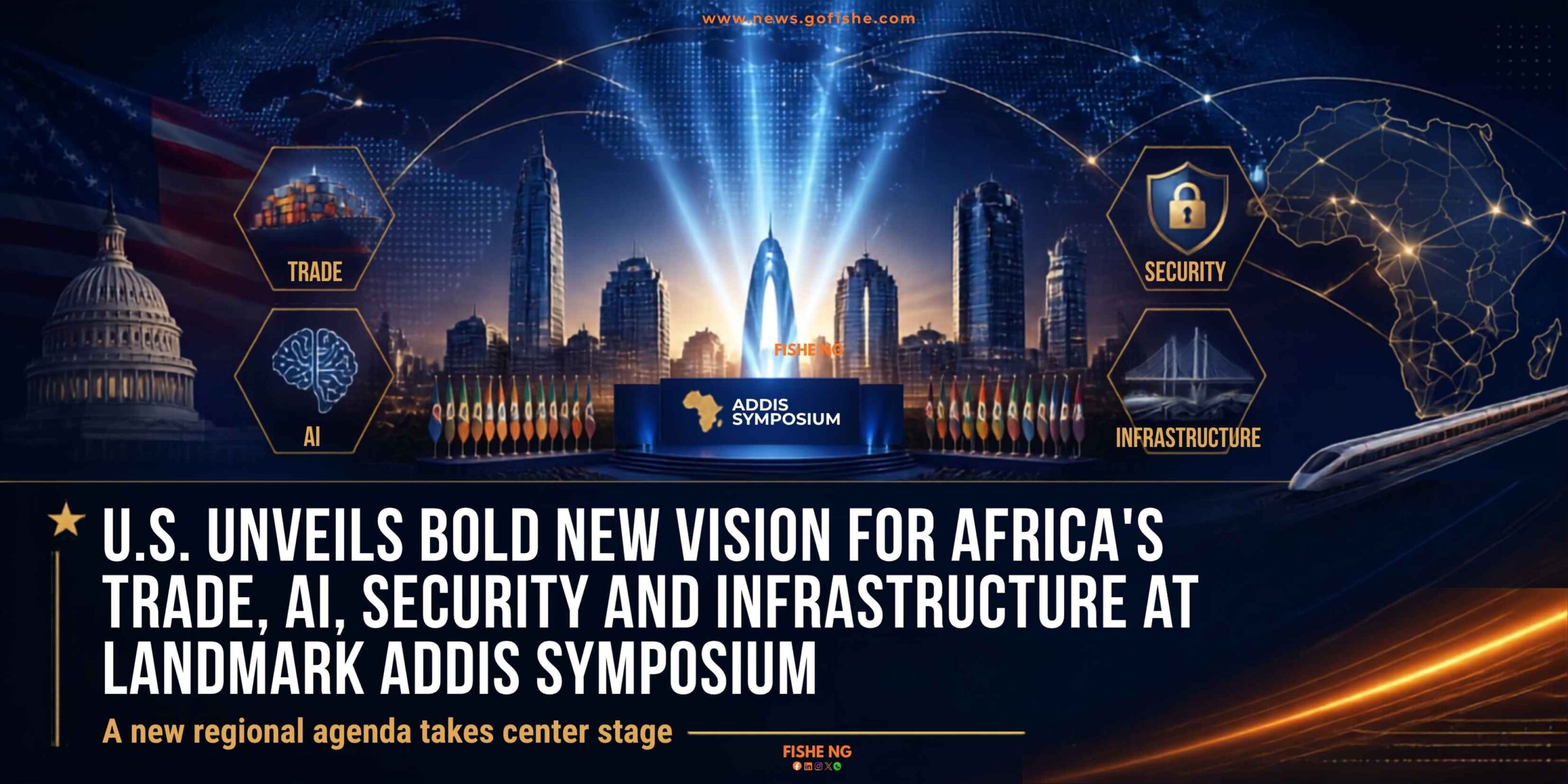

He highlighted a few key principles that are influencing the current U.S. AI policy regarding Africa:
- African governments need to keep a tight grip on sensitive national data.
- It’s crucial to build secure digital infrastructure that effectively reduces cybersecurity risks.
- AI systems ought to be tailored to support local languages, trade practices, and the unique business landscapes of the continent.
- Open-source models present a fantastic opportunity for customisation to fit African contexts.
- Additionally, robust governance standards should empower governments to regulate foreign vendors confidently and from a position of strength.
Mitchell also shared that the U.S. Department of Commerce is taking the lead in promoting American AI technology around the world, and he highlighted Ethiopia’s Artificial Intelligence Institute as a great potential partner for future collaborations.
Ethiopia Emerges as Strategic Hub for U.S.-Africa Investment
During the symposium, U.S. officials consistently pointed out that Ethiopia is becoming a more appealing spot for American investors.
Mitchell commended Ethiopia for its ongoing economic reforms, the recent collaboration between the government and private sector, and the impressive growth of its aviation industry.
A special focus was placed on the proposed Bishoftu International Airport, which Washington sees as a game-changing infrastructure project that could enhance Ethiopia’s position as Africa’s aviation hub.
The United States also reiterated its commitment to fostering collaboration between Boeing, GE Aerospace, and Ethiopian Airlines, as part of a larger initiative to boost connectivity across our continent.
Security and Commerce No Longer Separate
Brigadier General Paul Filcek emphasized that logistics, communications, and commerce have become intertwined foundations of modern security.
When Fishe Media asked how AFRICOM assesses whether African militaries are truly becoming self-sufficient instead of leaning more on U.S. support, Filcek highlighted the command’s A3I framework — Assess, Advise, Advocate, and Integrate.
This initiative looks at the operational capabilities of partner nations while assisting governments in bolstering their own logistics systems, enhancing regional cooperation, and building institutional strength.
Instead of fostering a permanent dependency on U.S. aid, AFRICOM believes that success should increasingly hinge on African nations’ ability to independently manage military and humanitarian operations.
Future Military Technology Will Depend on African Conditions
Fishe Media sparked a conversation about the upcoming wave of logistics technologies that are set to transform defense in Africa.
Instead of pinpointing just one groundbreaking technology, Filcek emphasized that Africa’s distinct geography calls for flexible, modular systems that can function effectively over long distances and in tough conditions.
Some of the technologies anticipated to become increasingly important include:
– Predictive maintenance
– AI-driven logistics planning
– Safe trade routes
– Community-focused supply chains
– Self-operating support systems
– Advanced logistics for expeditions
He also shared that AFRICOM has started to weave generative AI into the analytical stage of its A3I program, aiming to create tailored logistics assessments for partner nations.
Historic Participation Reflects Growing Continental Engagement
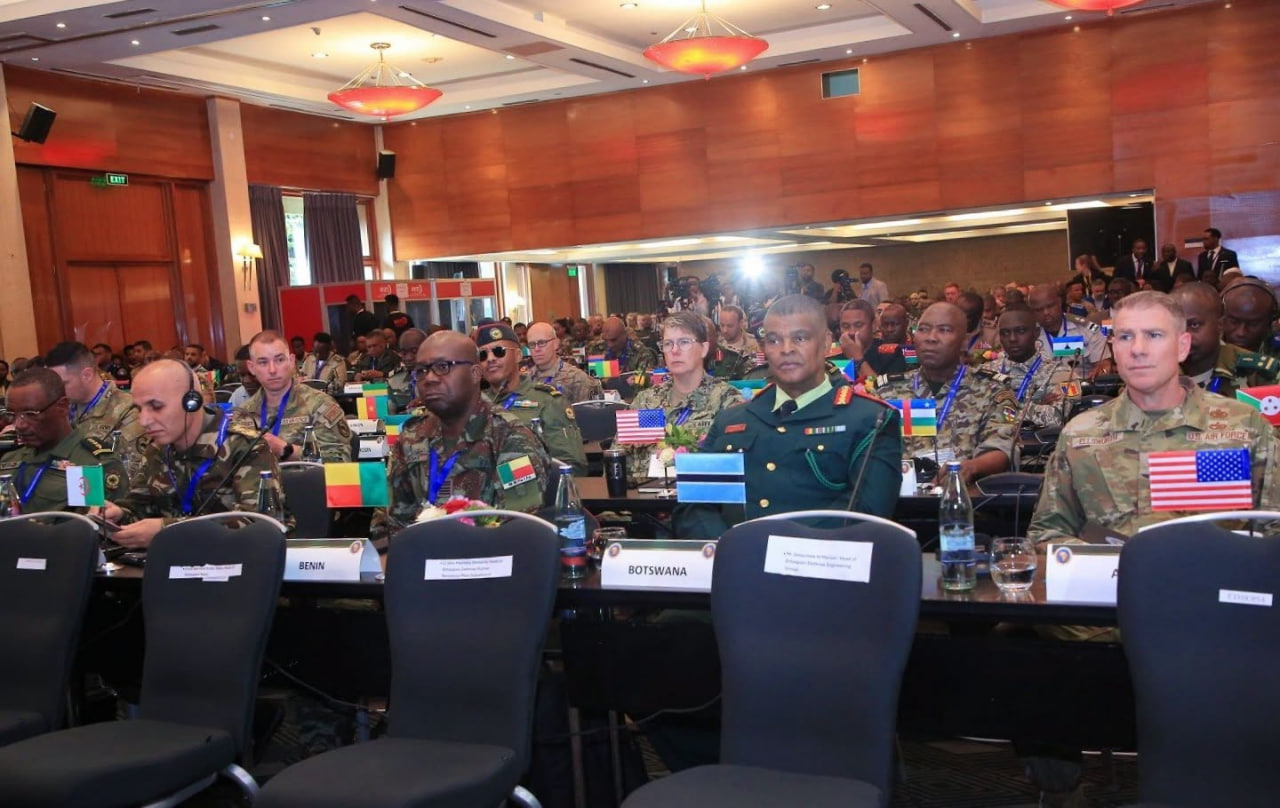
This year’s Africa Logistics and Communications Symposium brought together delegates from over 40 African partner nations and 27 private-sector companies, marking it as the largest functional symposium ever co-hosted by U.S. Africa Command.

In a groundbreaking move, logistics and communications were merged into a single continental forum for the first time. This change highlights what officials see as the increasingly intertwined nature of secure communications networks, resilient supply chains, military readiness, and commercial investment.
Filcek referred to logistics as “the spine” and communications as “the nervous system” of modern operations, emphasizing that sustainable development relies on both working in harmony.
Security as the Foundation of Economic Growth
A recurring theme in the briefing was the idea that investing in security lays the groundwork for economic growth.
U.S. Officials emphasized that by enhancing logistics infrastructure, establishing interoperable communication systems, building trusted digital networks, and implementing transparent commercial standards, we can create environments that draw in long-term private investment.
The United States also pointed out its ongoing partnership with the African Union through the Strategic Infrastructure Investment Working Group, along with its support for key transport corridors and digital infrastructure throughout the continent.
Fishe Media Drives the Conversation
During the briefing, journalists from all over Africa were in attendance, and it was Fishe Media’s thought-provoking, policy-focused questions that really took center stage. These inquiries led to in-depth discussions about global competition, the governance of AI, military self-sufficiency, new logistics technologies, and what the future holds for U.S.-Africa commercial ties.
The conversations offered some of the clearest public insights we’ve seen about how Washington plans to weave together; commerce, infrastructure, cutting-edge technology, and security cooperation as interconnected pillars of its evolving relationship with Africa.
As the geopolitical landscape heats up across the continent, this briefing made it clear that the United States aims to set itself apart by advocating for transparent investments, secure tech ecosystems, African data sovereignty, and long-term partnerships that are geared towards fostering sustainable economic growth.