


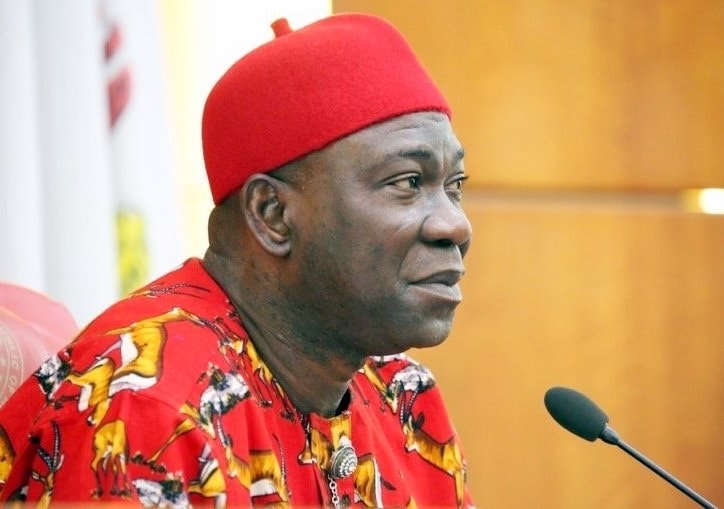
The United Kingdom has formally rejected a request from the Nigerian government to transfer former Deputy Senate President, Ike Ekweremadu to Nigeria to complete the remainder of his prison sentence. The decision ends weeks of diplomatic engagement and confirms that the embattled lawmaker will remain in the UK prison system for the foreseeable future.
A High-Profile Case That Drew Global Attention
Ekweremadu has been serving time in a UK correctional facility after he was found guilty in 2023 of conspiring to harvest the kidney of a young Nigerian man. The case, prosecuted under the UK’s Modern Slavery Act, gained widespread international attention and became the first major organ-trafficking conviction involving a high-ranking foreign official in Britain.
Following the conviction, Ekweremadu was handed a nine-year and eight-month prison sentence — a judgment that reverberated back home in Nigeria’s political landscape and sparked debates about ethics, desperation, and the limits of power.
Nigeria’s Failed Bid for Repatriation
In a diplomatic effort led by senior officials, the Nigerian government recently approached UK authorities to request Ekweremadu’s transfer under prisoner-exchange and repatriation frameworks. The goal was to allow the former senator to serve the remainder of his term in a Nigerian correctional facility.


However, UK authorities have now declined the request, maintaining that Ekweremadu must continue serving his sentence on British soil. While officials have not publicly disclosed detailed reasons, the rejection underscores the seriousness with which the UK views offenses related to organ trafficking and modern slavery.
What the Decision Means
With this latest ruling, Ekweremadu will remain in the United Kingdom to serve out the remainder of his prison term. The decision effectively ends, at least for now, any hope of transfer and marks another chapter in a case that has tested diplomatic ties and stirred public discourse both in Nigeria and abroad.
A Continuing Story
The development is likely to spark renewed conversations in Nigeria about prisoner transfers, the treatment of high-profile convicts, and the broader implications for bilateral cooperation with the UK. For now, however, the message from British authorities is clear: the sentence will be served where it was handed down.