


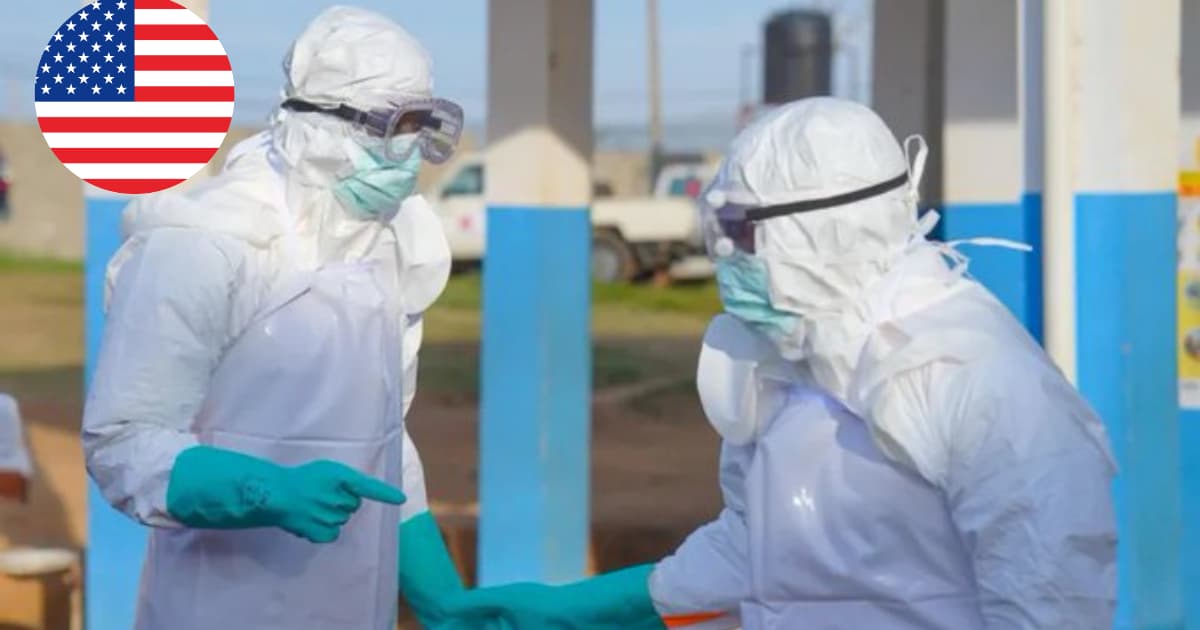
The U.S. Government, spearheaded by the Department of State and in close collaboration with the CDC, is ramping up its efforts to tackle the ongoing Ebola outbreak that’s impacting the Democratic Republic of the Congo (DRC) and its neighboring countries.
Working hand in hand with regional governments, international health organisations, humanitarian agencies, and Congress, the United States is rolling out a comprehensive strategy aimed at containing the disease, providing treatment, conducting research, delivering humanitarian aid, and ensuring the safety of American citizens.
A significant new aspect of this initiative is the planned investment of $50 million into the Coalition for Epidemic Preparedness Innovations (CEPI). This funding is intended to speed up the development of medical countermeasures specifically aimed at the Bundibugyo strain of Ebola, which is the variant currently driving the outbreak in the DRC.
Investment in Ebola Medical Countermeasures
Seeing the pressing need for effective solutions to tackle the outbreak, the Department of State has revealed plans to collaborate with Congress to allocate $50 million in funding to CEPI. This investment aims to bolster the development of vaccines, treatments, and other medical measures focused on managing the Bundibugyo strain of the Ebola virus.


The funding will be used for:
Diving into advanced lab research and testing. Clinical trials are carried out with a strong commitment to ethical and scientific standards. We’re also focused on the manufacturing and production of promising vaccine and treatment candidates. Plus, we evaluate the safety and effectiveness of new medical countermeasures to ensure they meet the highest standards.
This initiative showcases the U.S. government’s dedication to bolstering global health security and making sure that effective medical tools are on hand to help contain outbreaks before they have a chance to spread beyond borders.
U.S. Financial Commitment to the Ebola Response
The United States continues to be the biggest financial supporter of global efforts to combat Ebola. So far, the Department of State has pledged over $270 million specifically for Ebola response initiatives. This funding goes towards crucial emergency health measures, disease monitoring, treatment programs, and community outreach activities in the regions hit hardest by the outbreak.
Alongside the funding specifically aimed at combating Ebola, the United States has also revealed:
- The announcement includes a substantial $350 million in humanitarian aid aimed at the Democratic Republic of the Congo, South Sudan, and Uganda. This funding is part of a larger commitment of $1.8 billion to the United Nations Office for the Coordination of Humanitarian Affairs (OCHA), which was revealed on May 14.
These investments are designed to tackle not just the urgent public health crisis at hand, but also the wider humanitarian issues that arise from disease outbreaks, displacement, food shortages, and fragile health systems.
Protecting American Citizens Abroad
Keeping Americans safe and secure is a top priority for the U.S. government. To protect citizens who are living in or traveling through areas impacted by Ebola, the Department of State has teamed up with the CDC, the Department of Defense, and other federal agencies.
Together, they’ve put in place procedures for those who might have been exposed to the virus or need help leaving regions affected by the outbreak.
The Department has released some guidance that lays out a voluntary process to help U.S. citizens with:
- The Democratic Republic of the Congo.
- South Sudan.
- Uganda.
If Americans think they might have been exposed to Ebola, they can get support and information about health monitoring, travel guidelines, and assistance options. Still, travelers need to follow the health screening requirements and travel regulations set by both the U.S. and other countries.
Embassy Outreach and Travel Advisories
U.S. embassies across the region are still sharing the latest updates on:
- Health risks.
- Travel advisories.
- Security conditions.
- Disease prevention measures.
The Department highly recommends that Americans living abroad sign up for the Smart Traveler Enrollment Program (STEP). This program helps embassies send important emergency information and safety updates straight to those who are registered.
Supporting the Regional Public Health Response
The funding from the United States plays a crucial role in supporting various operational activities designed to break transmission chains and stop the virus from spreading within communities and across international borders.
We’re focusing on a few key areas:
– tracking and monitoring those who may have been exposed,
– conducting health screenings at our borders, and providing support to health clinics in areas hit hard by outbreaks.
We’re also committed to reaching out to the community and running public education campaigns. Plus, we’re working hard to combat misinformation and build trust in the public health measures we put in place.
These measures are essential because Ebola outbreaks can spread rapidly when infected individuals remain unidentified or when communities lack accurate information about transmission risks.
Detection and Treatment Operations
One of the key elements in controlling an outbreak is quickly identifying and isolating anyone who might have Ebola.
Disease Surveillance
The International Medical Corps (IMC), backed by the U.S., has ramped up its surveillance efforts throughout Ituri Province in eastern DRC.
As of June 8:
- Over 6,300 people have been screened across 24 health facilities. Out of these,
- 41 suspected Ebola cases were identified and sent for isolation and further evaluation.
These screening initiatives play a crucial role in helping health authorities spot infections early on, which in turn minimizes the chances of spreading them within the community.
Health Facility Support
International humanitarian organisations, backed by U.S. funding, are actively working to enhance treatment capabilities in the regions that need it most.
Key achievements include:
- We’re backing 100 health facilities in areas hot hard by Ebola
- Also running six specialised treatment centers dedicated to tackling the virus
- Plus, we’re working on building and expanding more treatment facilities in Bunia and Nyankunde, where we’re seeing a rise in cases.
The goal of expanding treatment infrastructure is to tackle the shortage of available beds and make sure patients get the care they need on time, all while reducing the risk of transmission in healthcare environments.
Safe and Dignified Burials
Burial practices have played a significant role in the spread of Ebola throughout history, mainly because the virus can linger in the bodies of those who have passed away. This makes it essential to implement safe burial procedures as a key part of responding to outbreaks.
Burial Team Operations
U.S.-funded partners are working hard to ensure that safe and dignified burials are taking place in the communities that have been affected.
Current operations include:
There are seven burial teams working under FHI 360. The International Federation of the Red Cross and Red Crescent Societies (IFRC) has eight burial teams in operation. Additionally, two more teams from FHI 360 are being deployed to enhance our response capabilities.
As of June 11:
- The IFRC teams have successfully carried out around 200 safe and dignified burials.
Community Engagement
Understanding the cultural and religious sensitivities that come into play during funeral practices, response teams are collaborating closely with:
- Religious leaders.
- Community elders.
- Local organisations.
- Family representatives.
These collaborations play a crucial role in fostering public acceptance of safe burial practices, all while honoring the dignity and traditions of the local community. Engaging with the community is seen as vital for minimising pushback against health initiatives and enhancing the effectiveness of outbreak control measures.
Conclusion
The United States is taking a comprehensive approach to tackle the Ebola outbreak in Central and East Africa. By making significant financial investments, backing the development of vaccines and treatments, improving disease surveillance, expanding treatment facilities, providing humanitarian aid, and implementing community-based initiatives, the U.S. is working to contain the outbreak while ensuring the safety of both local communities and American citizens overseas.
The recent announcement of a $50 million investment in Bundibugyo for Ebola medical countermeasures marks a crucial move towards bolstering global readiness for future outbreaks.
Alongside ongoing field operations and humanitarian efforts, these initiatives highlight the United States’ pivotal role in the international response to one of the most pressing infectious disease challenges we face today.