


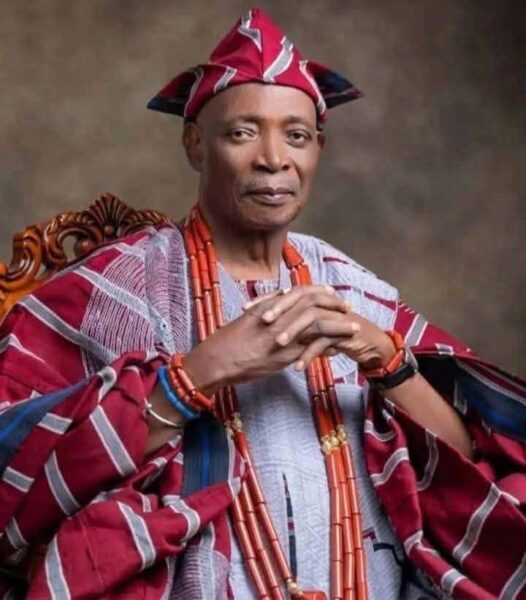
Oba Rashidi Adewolu Ladoja, the Olubadan of Ibadanland, has made a significant appeal for unity among Nigerians as the country continues to wrestle with mounting security threats.
Speaking at his palace in Oke Aremo, Ibadan North Local Government Area of Oyo State, during a chieftaincy promotion ceremony, the Olubadan urged Nigerians of all faiths and ethnicities to come together in the fight against terrorism.
His message rests on two key pillars:
-
Solidarity and Internal Cohesion — He emphasised that terrorism affects all segments of society, irrespective of religion or ethnicity. “Terrorists don’t know the difference between Muslims and Christians,” he said.

-
Caution Regarding Foreign Involvement — While recognising the complexity of Nigeria’s security crisis, he warned against over-reliance on external actors and alluded to the potential for foreign interference to undermine national sovereignty and internal harmony.

The Context: Terrorism, Banditry, and National Threat
Nigeria has grappled for more than a decade with an evolving landscape of insurgency, terrorism, kidnapping and banditry. The emergence and spread of groups like Boko Haram and related factions have transformed security into an existential issue for the nation.
In the South-West, where Ibadan is located, disturbances may not be as intense as in some northern regions, but the message from the Olubadan emphasises that no part of the country is immune — and no faith community is exempted from suffering. He highlighted the displacement of families, destruction of property, and the long-term trauma wrought by insecurity.
The Call for Shared Responsibility
Oba Rashidi Ladoja, the Olubadan address underscored the need for stakeholders at all levels — traditional rulers, religious associations, community organisations and the citizenry at large — to commit to three core actions:
-
Open Dialogue and Engagement: He called for honest conversations between leaders and communities, appealing to the president of the Pentecostal Fellowship of Nigeria (PFN) to communicate with Christian bodies to help pacify grievance and build trust.
-
Rejecting Division: The monarch emphasised that internal cohesion must be strengthened so that divisive narratives — along religious or ethnic lines — cannot be used by terror actors to further destabilise the country.
-
Supporting National Institutions: His words signal a belief that Nigerian institutions — the armed forces, intelligence agencies, traditional structures — need communal support and legitimacy to act effectively. The monarch lamented the large resources spent over many years and emphasised that success requires more than money—it needs united will.
Foreign Involvement: Support vs. Interference
While recognising that Nigeria welcomes constructive external support (such as intelligence sharing, equipment, logistics), the Olubadan was clear that foreign military intervention or undirected external influence poses risks. He warned that the country’s multi-ethnic, multi-faith character makes it vulnerable to external actors exploiting divisions.
This position aligns with broader national discourse: Nigeria’s government has asked for foreign partners to approach its security situation with understanding of its complexity, and for assistance rather than intervention.
Why This Matters
-
Symbolic Gravitas: The Olubadan is a highly respected traditional authority in Nigeria’s South-West. His voice carries communal weight and normative influence in Ibadanland and beyond.
-
Bridging Divides: In a region and country often affected by religious and ethnic mistrust, a monarch calling for unity cuts across partisan and sectarian lines.
-
Sovereignty and Agency: Oba Rashidi Ladoja’s message emphasises that while Nigeria may receive external support, the direction, decision-making and narrative must remain Nigerian-led and Nigerian-owned.
-
Preventive Value: By urging internal dialogue and cohesion, the Olubadan aims to weaken the internal ecosystems that allow terrorism and violence to proliferate—disaffection, marginalisation, and division.
Challenges and Prospects
-
Translating Words Into Action: Calls for unity must be matched by tangible structural reforms: better community policing, more inclusion in security strategy, real socio-economic reinvestment in affected zones.
-
Managing Foreign Relationships: The line between beneficial cooperation (training, equipment, intelligence) and unwanted external control or influence is delicate. Nigeria must guard against becoming dependent or compromised.
-
Sustaining Momentum: Threats evolve quickly. Ensuring that unity messages remain relevant, credible and inclusive will require continuous effort and accountability.
-
Addressing Root Causes: Terrorism thrives on grievance, marginalisation, insecurity, and poor governance. Without addressing these, unity and external deterrence will have limited long-term effect.
In Conclusion
The message from the Olubadan, Oba Rashidi Ladoja is clear: Nigeria must stand together – across faiths, ethnicities and regions – to counter the menace of terror. At the same time, the country must preserve its sovereignty, avoid internal fracture and be cautious about how foreign support is engaged.
As Nigeria navigates one of its most defining security challenges, unity and internally-driven resilience may well be among its most potent weapons.