


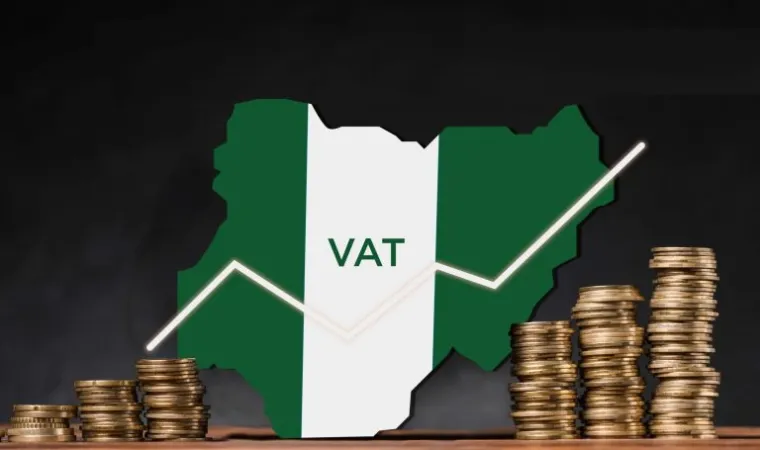
From Monday, January 19, 2026, millions of Nigerians who use mobile banking and USSD financial services will begin paying an additional 7.5% Value Added Tax (VAT), on certain electronic banking charges, a regulatory change that marks a significant shift in how digital finance services are taxed in Nigeria.
What Is the New VAT Rule?
The new directive requires banks and financial institutions — including commercial banks, microfinance banks, and electronic money operators — to collect and remit 7.5% VAT on specific service charges connected to mobile financial transactions. The tax is mandated by Nigeria’s national tax authority, now known as the Nigerian Revenue Service (NRS).
According to financial service providers who alerted customers, this change is not a unilateral price hike by the companies themselves — rather, it is a government-endorsed regulatory requirement that compels financial providers to act as VAT collectors on qualified services.
Which Transactions Will Be Taxed?
Under the new regime, the 7.5% VAT will apply to the service fees associated with:
-
Mobile banking transfers — e.g., fees charged when moving money between accounts using a mobile app.

-
USSD transaction fees — charges incurred when users perform banking transactions via USSD shortcodes on their phones.
-
Other electronic service charges such as card issuance, point-of-sale (POS) fees, or activations in some cases, depending on how banks implement the directive.
Importantly, the VAT will only apply to fees charged for these services — not to the actual transfer amounts or customers’ funds. Interest earned on savings or deposits remains exempt.
How Will It Appear on Your Transactions?
Service providers have pledged to ensure that VAT charges are clearly itemised on transaction statements and reports — meaning users can see exactly how much VAT was collected on each applicable service.
Why This Change Now?
The tax authority’s directive is part of a broader effort to streamline and strengthen VAT compliance in Nigeria’s financial sector. With the rapid growth of mobile financial services — from bank app transfers to USSD banking — regulators see VAT collection on these fees as a way to increase transparency and government revenue from digital financial activities.
For the government, this approach expands the VAT tax base and brings digital banking transactions more clearly into the formal tax system.
What This Means for Everyday Nigerians
1. Higher Costs for Digital Payments
Users who frequently transfer funds via mobile banking or USSD codes may notice their transaction costs rise. While each individual tax amount may be small, frequent users — such as small business owners, daily wage earners sending family support, or high-volume digital entrepreneurs — could feel the cumulative impact more sharply.
2. Potential Behavioural Shifts
Some Nigerians might begin to shift toward alternative channels, such as internet banking apps, traditional bank transfers, or other non-taxed financial products, to avoid additional VAT costs.
3. Impact on Financial Inclusion
USSD and mobile transfers have been pivotal in advancing financial inclusion, particularly for unbanked or underbanked populations who rely on simple phone-based services. There is concern that added costs could dampen usage among low-income users who depend on these channels for everyday financial activity.
Industry Response and Compliance
Financial service providers, including fintech firms and banks, have stressed that they are merely implementing a regulatory requirement and not increasing their own service prices. The directive effectively transfers the VAT obligation to the user for eligible services.
Banks across Nigeria will be expected to update their systems for VAT collection and remittance, ensuring compliance starting on the January 19 deadline set by the NRS.
Looking Ahead
As the implementation date approaches, customers are encouraged to:
-
Review their transaction histories to understand how VAT will be applied.
-
Monitor communications from their banks or fintech providers for details on how VAT will be shown and calculated.
-
Consider alternative payment channels if VAT implications significantly affect their costs.
This VAT change reflects a broader trend where governments seek to capture revenue from expanding digital financial ecosystems. For users, its full effect will become clearer once it takes effect on January 19 — when everyday costs of digital finance services across Nigeria are poised to shift.
