


In response to the Iranian regime’s sweeping crackdown on peaceful demonstrators during nationwide protests in December 2025 and January 2026, the United States has announced additional visa restriction measures targeting individuals responsible for undermining the Iranian people’s fundamental freedoms.
The decision underscores Washington’s continued commitment to accountability for human rights abuses and reaffirms its public support for the Iranian people’s right to free expression and peaceful assembly.
Nationwide Protests and Government Crackdown
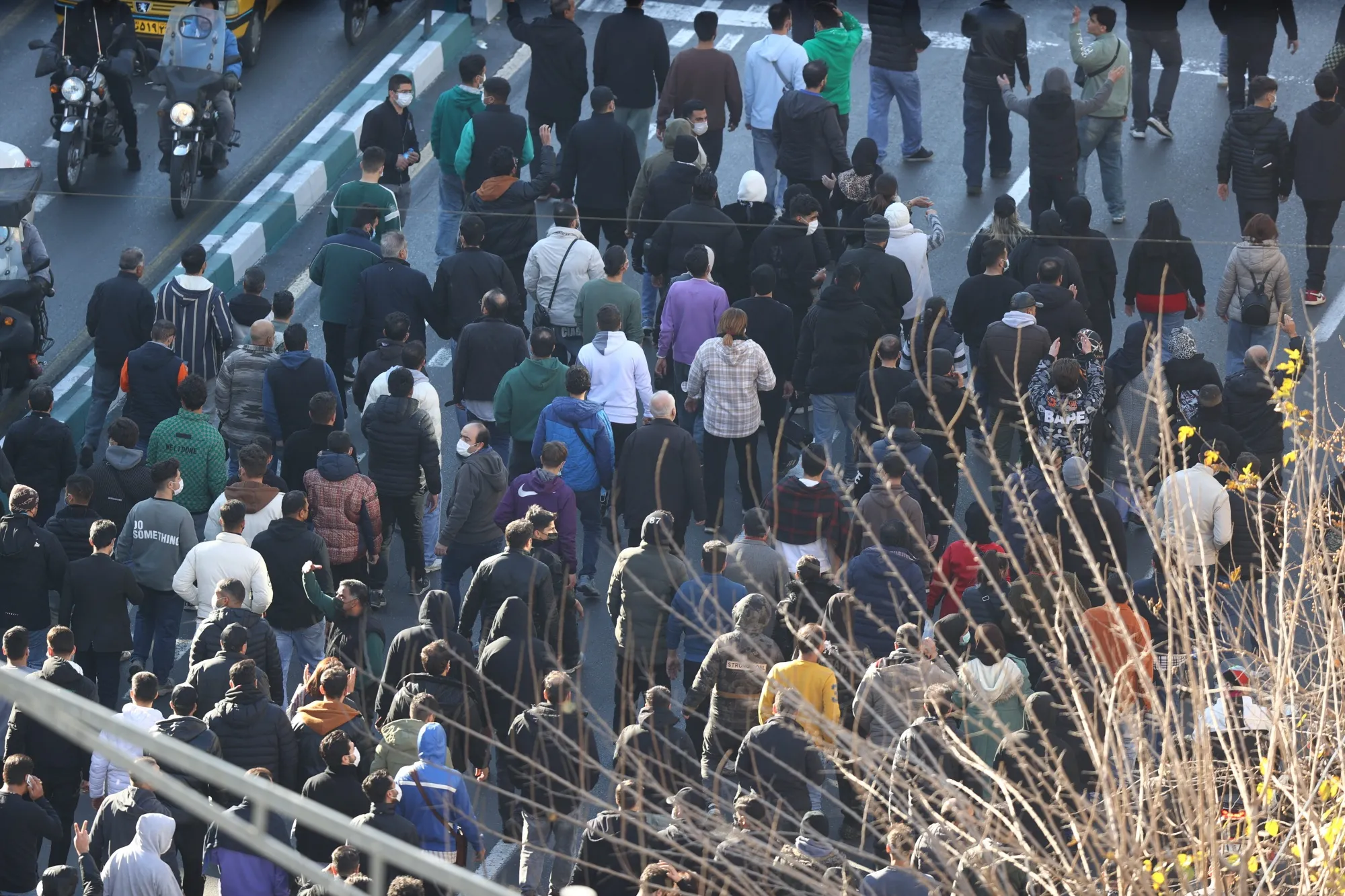
During late 2025 and early 2026, tens of thousands of Iranians took to the streets across multiple cities to express grievances related to political freedoms, economic hardship, and civil rights. Demonstrations were largely peaceful, reflecting widespread calls for reform and accountability.

In response, the Iranian regime launched what observers described as one of the most severe repression campaigns in recent years. Security forces reportedly used violence against demonstrators, conducted mass detentions, and intensified surveillance operations.
A defining feature of the crackdown was the imposition of a near-total nationwide internet shutdown—unprecedented in both scope and duration. The blackout significantly limited independent reporting, disrupted communication among citizens, and isolated Iran from the international community. Even after the protests subsided, authorities continued to impose restrictions affecting online access and freedom of expression.
U.S. Policy Response
Acting under Section 212(a)(3)(C) of the Immigration and Nationality Act, Secretary of State Marco Rubio announced the expansion of visa restrictions against individuals deemed complicit in serious human rights violations.
The new measures target:
-
18 Iranian regime officials
-
Telecommunications industry leaders
-
Immediate family members of designated individuals
These individuals are believed to have played roles in suppressing free expression, restricting peaceful assembly, and facilitating digital censorship, including the enforcement of the nationwide internet shutdown.
With this latest action, a total of 58 individuals have now been targeted under this specific visa restriction policy.
Legal Authority and Scope
Section 212(a)(3)(C) of the Immigration and Nationality Act grants the U.S. Secretary of State authority to deny entry into the United States to foreign nationals whose presence would have potentially serious adverse foreign policy consequences.
In this case, the policy focuses specifically on individuals responsible for:
-
Severe limitations on internet access
-
Disruption of communication platforms
-
Complicity in violence against peaceful demonstrators
-
Policies inhibiting freedom of speech and assembly
While visa restrictions do not constitute criminal penalties, they serve as a diplomatic and reputational tool. They signal international condemnation and aim to deter further abuses by increasing personal consequences for those involved.
Telecommunications and Digital Repression

The role of telecommunications leaders in this round of restrictions highlights growing international concern over “digital authoritarianism.” Authorities reportedly leveraged telecommunications infrastructure to:
-
Block social media platforms
-
Restrict encrypted messaging services
-
Disrupt mobile data networks
-
Prevent the sharing of videos and documentation of abuses
By targeting industry figures alongside government officials, the United States is emphasizing accountability not only for direct acts of repression but also for the technological mechanisms that enable them.
U.S. Support for the Iranian People
President Donald Trump has publicly stated that the United States stands with the Iranian people in their demand for peace, dignity, and basic freedoms. The visa restriction announcement reinforces that message.
U.S. officials have reiterated several key commitments:
-
Continued monitoring of human rights conditions in Iran
-
Use of diplomatic and economic tools to promote accountability
-
Public support for freedom of expression and peaceful assembly
-
Ongoing coordination with international partners
The United States has framed these actions not as measures against the Iranian population, but as targeted responses aimed at specific officials and enablers of repression.
Broader Implications
The expanded visa restriction policy signals a sustained effort to respond to evolving forms of state repression, particularly those involving digital infrastructure and information control.
By identifying and restricting travel for individuals linked to the suppression of free expression, the U.S. government seeks to:
-
Deter future crackdowns
-
Increase international awareness of abuses
-
Reinforce global norms surrounding human rights and internet freedom
-
Demonstrate solidarity with Iranian civil society
As protests and calls for reform continue to shape Iran’s political landscape, U.S. officials have emphasized that accountability efforts will remain ongoing.
Conclusion
The announcement of additional visa restriction targets represents a continuation of U.S. policy aimed at holding accountable those responsible for inhibiting the rights of Iranians to free expression and peaceful assembly.
With 58 individuals now designated under this framework, the United States reiterates its unwavering support for the Iranian people’s pursuit of peace, dignity, and fundamental freedoms—and signals that further measures remain available should repression persist.
