


The Confederation of African Football (CAF), has recently announced a significant change in the scheduling of the Women’s Africa Cup of Nations (WAFCON), for 2026. Originally slated for earlier in the year, the tournament will now take place in July 2026. This shift in dates has raised several important questions and implications for the teams, players, fans, and the broader African football ecosystem.
Let’s explore the reasons behind this decision, its impact, and the potential benefits of the new timing.
What is WAFCON?
The Women’s Africa Cup of Nations (WAFCON), is Africa’s premier women’s football competition, organised by CAF. Held every four years, WAFCON serves as the qualifying tournament for the FIFA Women’s World Cup and the Olympics. It brings together the top women’s national teams from across the continent to compete for continental glory and the opportunity to represent Africa on the global stage.
Since its inception in 1991, WAFCON has been a showcase of the growing talent and passion for women’s football in Africa. The tournament has consistently been a pivotal moment for the development of the sport on the continent.


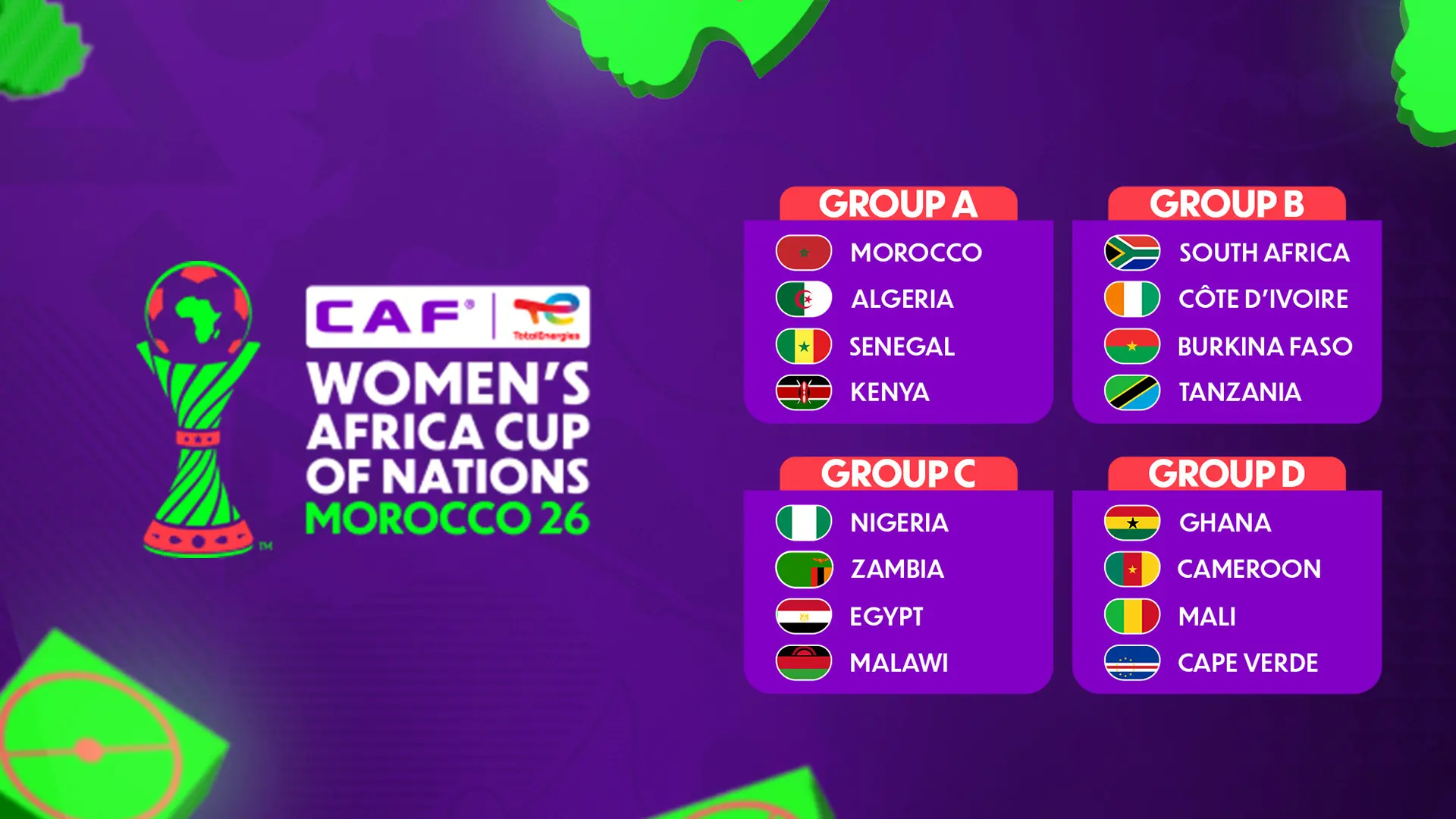

Initial Schedule for WAFCON 2026:
Prior to the postponement, WAFCON 2026 was originally scheduled for June 2026. However, with the decision by CAF to reschedule the event to July, the exact dates have been adjusted. Here’s a breakdown of the original timeline and what was expected:
Proposed Tournament Dates:
-
Start Date: Early June 2026
-
End Date: Late June 2026
- Host Nation: Morocco
Reasons Behind the Postponement
While the postponement of major sporting events often raises eyebrows, there are a variety of factors that likely influenced CAF’s decision to move WAFCON 2026 to July. These include:
1. Weather and Climate Conditions
One of the primary reasons for the scheduling shift is related to climate conditions. Several African nations experience extreme weather conditions, particularly during the first half of the year. The months of June and July are generally more favourable in terms of weather for players, fans, and officials, especially in regions where high temperatures and humidity could affect both performance and attendance.
The move to July ensures that the players and teams will compete in better conditions, potentially leading to a higher level of performance and reducing the risk of heat-related health issues.
2. Scheduling Conflicts with Other Major Tournaments
Another contributing factor may be the clash with other important football events, such as the FIFA Women’s World Cup and CAF Africa Cup of Nations (AFCON). The timing of WAFCON in the first half of the year sometimes overlaps with the preparation or qualification phases for these tournaments, which can create conflicts for player availability, particularly for those based in international leagues.
The shift to July allows teams and players to focus entirely on the continental championship without distractions from competing tournaments, leading to a more streamlined and professional setup.
3. Growth of Women’s Football
CAF’s decision to move WAFCON to July also aligns with the broader goal of growing women’s football in Africa. The popularity of women’s football has been on the rise globally, with more eyes turning to the sport as the level of competition improves. Moving the tournament to a time when many international leagues are on break could attract greater viewership and media attention.
Furthermore, playing in the summer months would allow more African fans to follow the tournament, particularly in regions where the football calendar is less crowded during this time.
New Tournament Dates:
-
Start Date: July 25th, 2026
-
End Date: August 16th, 2026
- Host Nation: Morocco
Impact on Teams and Players
1. Adjustments to Training and Preparation
The postponement will require teams to adjust their training schedules, especially those that were already in the midst of preparing for the tournament. National football federations will need to coordinate their players’ schedules with their respective clubs, which may involve changes to training camps, friendly matches, and logistical arrangements.
While this shift provides more time for teams to prepare, it may also disrupt the existing plans of some national teams that were ready for the earlier date.
2. Increased Exposure for African Women’s Football
The timing of WAFCON 2026 in July presents an opportunity to increase the visibility of African women’s football. With the tournament taking place in the summer, it is less likely to be overshadowed by other international football competitions.
This increased exposure is essential for the development of the sport on the continent and could serve as a stepping stone for African football to gain more international recognition.
3. Financial and Commercial Opportunities
For sponsors, broadcasters, and advertisers, the change in the tournament’s timing could open new revenue streams. A July tournament fits better into the global sports calendar, especially as the men’s football World Cup and other high-profile events are not scheduled in the same window.
This could allow CAF and the participating nations to attract more commercial partnerships and enhance the financial stability of the tournament.
Challenges and Controversies
Despite the benefits, there are also some challenges associated with the decision to shift WAFCON 2026 to July. These include:
1. Domestic Football Calendars
African domestic football leagues often operate on different schedules compared to international competitions. A mid-year tournament like WAFCON could clash with the domestic season’s timing, potentially causing issues for club sides who may need to release players or make other adjustments.
This could put national teams in a position where they face challenges with player availability and preparation.
2. Logistical Concerns
Changing the tournament dates may also result in logistical challenges. Hosting nations, sponsors, and local organising committees may need to adjust their plans in response to the shift. Issues such as venue availability, transportation, and accommodation could become complex as stakeholders navigate the changes.
3. Player Welfare
While the move to July may offer better weather conditions, the extended preparation time and the proximity to other international tournaments might lead to concerns about player fatigue.
Many of the top players in Africa participate in both international and domestic club football. A delay in the tournament could lead to more intense scheduling and additional mental and physical strain for some players.
What’s Next for WAFCON?
With WAFCON 2026 now set to take place in July, CAF will need to ensure that preparations are executed smoothly, both for the teams and the host nation. Given the significant changes in the global landscape of women’s football, this tournament could be a defining moment for the sport on the African continent.
CAF’s decision to move the tournament to the summer months could potentially have a positive impact on women’s football, fostering more growth, improving conditions for players, and attracting a wider global audience.
As the competition draws nearer, all eyes will be on the host nation and the players, as they prepare to make history.
Conclusion
The decision to move the Women’s Africa Cup of Nations (WAFCON), 2026 to July marks a significant shift in the African football calendar. While the postponement presents challenges, it also opens up new opportunities for teams, sponsors, and the growth of women’s football across the continent.
As African nations continue to develop their women’s football programs, WAFCON 2026 could prove to be a landmark event that not only showcases the continent’s top talents but also furthers the global recognition of African women in sport.
With CAF taking bold steps to improve the experience for players and fans, the future of women’s football in Africa looks promising, and WAFCON 2026 promises to be a tournament that will capture the attention of football enthusiasts around the world.