

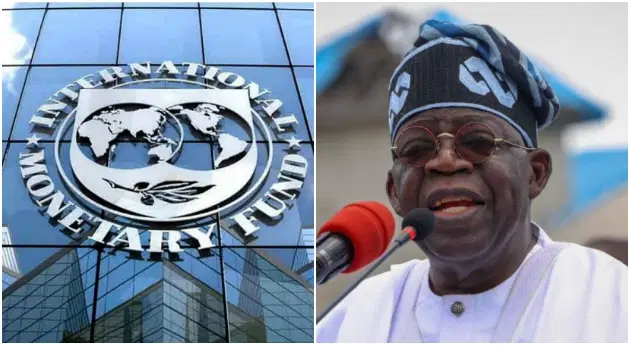
Nigeria found itself on a tightrope at the 2025 Annual Meetings of the International Monetary Fund (IMF) and the World Bank, where its reform efforts earned recognition while underlying vulnerabilities raised serious concern.
According to the IMF’s World Economic Outlook and Fiscal Monitor, Nigeria’s growth forecast for 2025 was upgraded to 3.9 percent, up from 3.4 percent in July, due to stronger domestic fundamentals, improved oil production, and rising investor sentiment.
Despite the positive outlook, the IMF flagged persistent risks for Nigeria’s economy. It warned that rising debt-servicing costs and fiscal fragility could undo the gains unless properly managed. Abebe Selassie, Director of the IMF’s African Department, said: “Nigeria’s policy reforms have been significant. But the next phase requires policy consistency, revenue efficiency, and credible debt management to ensure these hard-won gains are not reversed.”
On the reform front, Nigeria has taken bold steps. The Central Bank delegation, led by Governor Olayemi Cardoso, noted that headline inflation, which exceeded 30 percent in 2024, had dropped to 18.02 percent in September — the lowest in three years. The naira’s parallel market premium has also narrowed to under two percent, while foreign reserves have risen to over 43 billion dollars, equivalent to more than 11 months of import cover.

However, the country’s dependence on oil and domestic debt remains a major concern. The IMF warned that Nigeria’s over-reliance on oil revenue continues to weaken its fiscal structure. “Perhaps the most overriding challenge that the country faces is extreme reliance on oil,” Selassie cautioned. It also highlighted that growing domestic borrowing creates a “bank-sovereign nexus” that could strain the financial sector.
On the fiscal side, the IMF’s Fiscal Monitor projected that Nigeria’s fiscal deficit could widen from 2.9 percent of GDP in 2025 to 3.7 percent in 2026, as interest payments and spending pressures grow faster than revenue generation. Public debt-to-GDP was estimated at 39.3 percent in 2024, with a modest decline expected to 36.4 percent in 2025 if borrowing is effectively controlled.
As Nigeria moves forward, the IMF stressed the importance of stronger revenue systems and transparent debt management. It called for digital tax expansion, better compliance, and visible improvements in public services to strengthen trust in government. “Publishing full debt statistics and reinforcing budget oversight are crucial steps,” the IMF advised.
