


Artificial intelligence (AI) has the potential to increase the value of global trade by almost 40 percent by 2040, driven by cost reductions and productivity gains, the World Trade Organization (WTO) said Wednesday.
In its latest annual World Trade Report, the WTO highlighted AI as a rare bright spot amid global trade disruptions caused by high tariffs imposed by the United States on its trading partners.
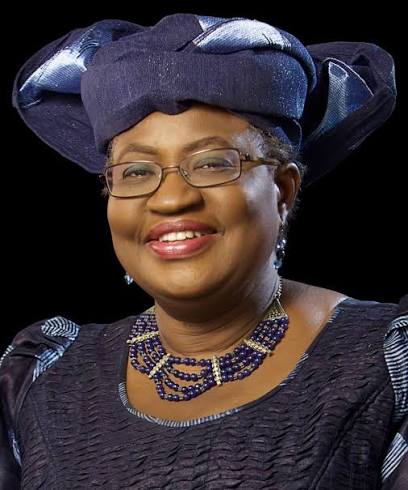
“AI holds major promise to boost trade by lowering trade costs and reshaping the production of goods and services,” WTO Director-General Ngozi Okonjo-Iweala said while presenting the report. Simulations by the WTO suggest that AI could push exports of goods and services nearly 40 percent above current trends.
However, the report also warned that without appropriate policies, lower-income countries might miss out on the benefits. “One important question is whether AI will lift opportunities for all, or whether it will deepen existing inequalities and exclusion,” Okonjo-Iweala noted.

According to WTO economists, lower-income economies could see only an 8 percent rise in incomes by 2040 if the digital divide persists, compared with a 14 percent increase in higher-income countries. But narrowing the digital infrastructure gap by 50 percent and adopting AI more broadly could enable these nations to achieve similar gains.
“With the right mix of trade, investment and complementary policies, AI can create new growth opportunities in all economies,” Okonjo-Iweala added.
The report also highlighted a growing trend of countries imposing restrictions on AI-related trade. Nearly 500 such restrictions were in place last year, mostly from higher- and medium-income economies, compared with just 130 in 2012.
The WTO’s findings underscore the transformative potential of AI in global trade while also highlighting the urgent need for inclusive policies and infrastructure development. Countries that invest in digital capacity and equitable AI adoption could see unprecedented economic growth, while those that lag risk widening the global inequality gap.
