

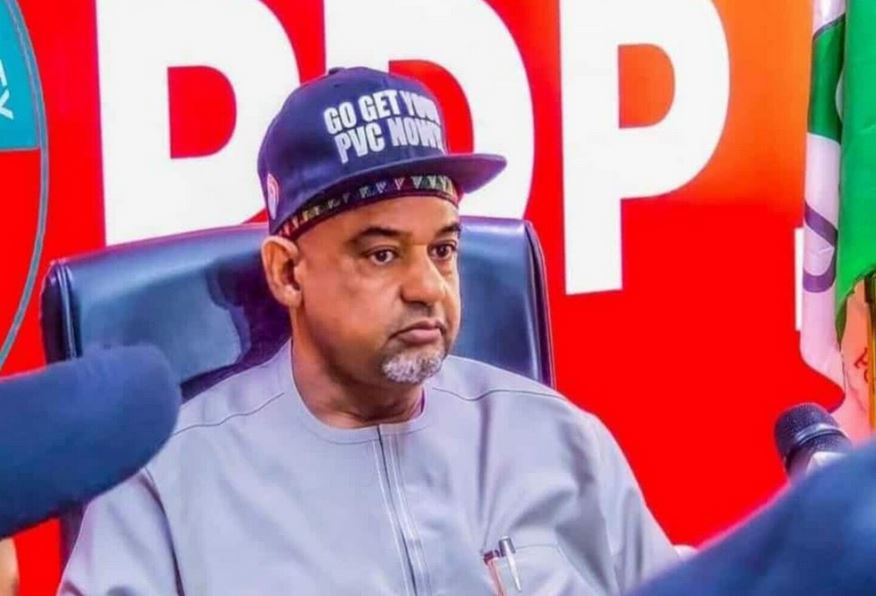
The Peoples Democratic Party (PDP), has formally confirmed Umar Iliya Damagum as its substantive National Chairman, in a unanimous decision by party delegates at the ongoing 2025 national convention in Ibadan, Oyo State.
The confirmation comes as the party seeks to consolidate leadership ahead of critical internal elections and future electoral contests.
Unanimous Ratification at the National Convention
Reports indicate that the motion to ratify Damagum was moved by Tony Abineri, Chairman of the Edo State chapter, on behalf of the 3,000 delegates present at the convention. The motion was subsequently seconded by Edward Marshal, following the procedural guidelines set out in Section 32 of the PDP Constitution as amended.
Abineri stated while moving the motion:
“I moved the motion for the ratification of Umaru Damagum as the substantive National Chairman of the party. This is in accordance with Section 32 of the Constitution of the PDP as amended.”
The national convention, which runs from November 15 to 16, 2025, is expected to conclude with the election of a new chairman through a voting exercise involving delegates from across the states of Nigeria.

Background and Leadership Legitimacy
Prior to this confirmation, Damagum had already been operating as acting chairman, navigating factional tensions within the party and ongoing legal disputes. His affirmation by the convention provides both legal legitimacy and broad-based political backing, reinforcing his authority at a critical juncture for the PDP.
A key development ahead of the ratification was the endorsement of Damagum by 29 state chairmen, who rejected rival factions and declared him the sole legitimate national chairman. This move, coupled with the delegate-backed convention decision, signals a consolidation of power that could stabilize the party ahead of future elections.
Strategic Implications
Alongside the affirmation of Damagum, the PDP NEC recently approved the zoning of the 2027 presidential ticket to the South, a strategic decision aimed at balancing regional interests while retaining leadership in the North. Analysts suggest that this dual strategy is intended to foster internal unity, project inclusivity, and enhance the party’s national electoral appeal.
Looking Ahead
While Damagum’s confirmation resolves some leadership uncertainties, challenges remain. Factional tensions within the party, potential legal disputes, and the logistics of the convention voting exercise all present hurdles. However, the overwhelming delegate support and state chairman endorsements position Damagum to lead the PDP into its next phase with authority and legitimacy.
In his brief remarks following the ratification, Damagum pledged to prioritize internal democracy, party unity, and transparency, emphasizing that the PDP will remain resilient and prepared to provide credible political alternatives in Nigeria’s complex political landscape.
