

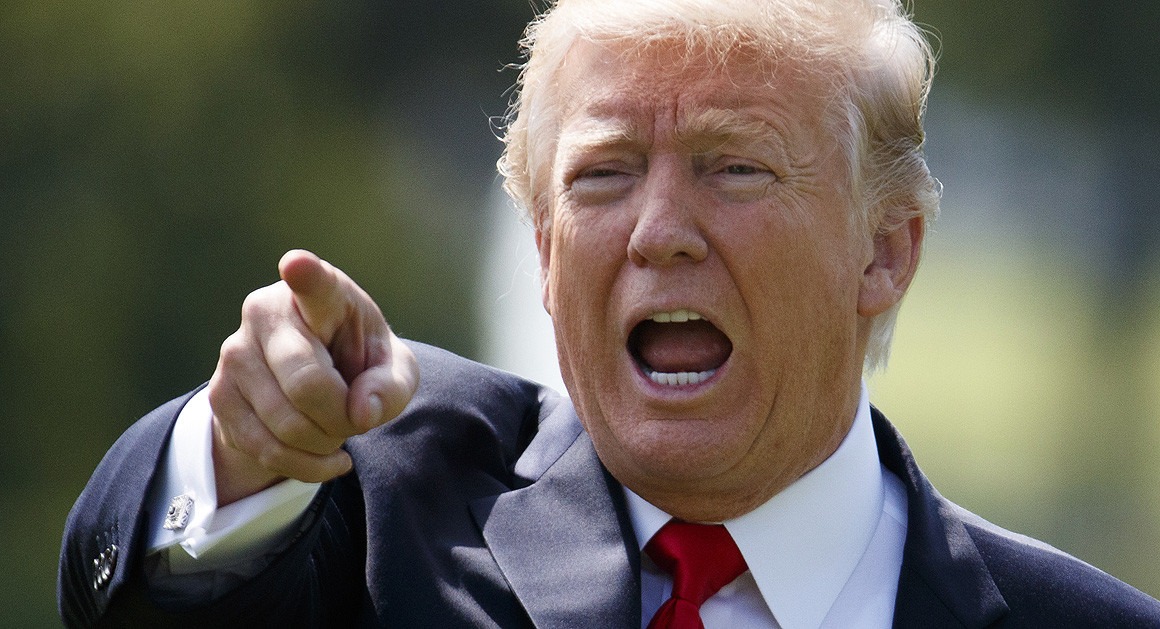
The announcement that Donald Trump ordered the U.S. Navy to blockade the Strait of Hormuz marks a major escalation in the ongoing 2026 U.S.–Iran conflict. The decision followed the collapse of high-level diplomatic talks between the United States and Iran, and has significant geopolitical, economic, and military implications.
This report provides a detailed overview of the causes, implementation, reactions, and global consequences of the blockade.
Background to the Crisis
Strategic Importance of the Strait of Hormuz
The Strait of Hormuz is one of the most critical chokepoints in global energy trade. Roughly 20% of the world’s oil and liquefied natural gas passes through this narrow waterway.
Control or disruption of this route has immediate consequences for global energy prices and supply chains.

The 2026 U.S.–Iran Conflict
The blockade is part of a broader conflict that escalated earlier in 2026 after U.S. and allied strikes on Iranian military targets.
Iran responded by:
- Restricting or threatening shipping through the strait
- Allegedly laying naval mines
- Imposing tolls or restrictions on passing vessels
This led to a prolonged military standoff and a fragile ceasefire prior to the talks.
Collapse of U.S.–Iran Talks
Negotiations in Islamabad
Diplomatic negotiations between U.S. and Iranian officials took place in Pakistan and lasted about 21 hours, representing the most significant direct engagement in decades.
Reasons for Failure
The talks collapsed due to fundamental disagreements:
- Iran’s refusal to abandon nuclear development ambitions
- U.S. demands for stricter controls and guarantees
- Deep mutual distrust between both sides
As a result, no agreement was reached, and the ceasefire became increasingly unstable.
The Blockade Order
Announcement and Objectives
Following the failed talks, Trump ordered the U.S. Navy to begin a blockade with several stated goals:
- Prevent ships from entering or leaving Iranian ports
- Stop Iran from influencing or taxing maritime traffic
- Remove naval mines and secure safe passage
The blockade was scheduled to begin April 13, 2026, targeting vessels linked to Iran.
Scope of the Blockade
According to U.S. Central Command:
- The blockade applies to ships traveling to and from Iran
- It does not fully close the strait to all international shipping
- Enforcement includes interception and possible seizure of vessels
Military Operations
Initial military actions include:
- Deployment of U.S. warships and destroyers
- Mine-clearing operations in the strait
- Surveillance and interception of maritime traffic
Iran’s Response
Official Position
Iran strongly condemned the blockade, calling it an “act of war.”
Military Threats
Iran’s Revolutionary Guard warned:
- Any interference with its control of the strait would trigger a “forceful response”
- U.S. military presence could violate the ceasefire
Strategic Leverage
Iran maintains significant influence in the region through:
- Naval capabilities and mine warfare
- Geographic control of the strait
- Ability to disrupt global oil flows
International Reactions
Allies and Global Powers
- Some U.S. allies expressed concern about escalation
- The UK signaled reluctance to join the blockade itself, focusing instead on mine-clearing operations
- Countries like China and India face risks due to reliance on Gulf oil
Diplomatic Efforts
- Pakistan and other intermediaries continue to push for renewed negotiations
- Global institutions and religious leaders have called for restraint
Economic Impact
Oil Market Shock
The blockade triggered immediate market reactions:
- Oil prices surged above $100 per barrel
- Brent crude and WTI both saw sharp increases
Global Economic Effects
- Stock markets declined amid uncertainty
- Inflation concerns increased worldwide
- Energy-importing nations face higher costs
Domestic U.S. Impact
Trump acknowledged that:
- Gas prices could remain elevated
- The economic consequences may persist into election cycles
Strategic and Legal Implications
Risk of Wider War
The blockade significantly raises the risk of:
- Direct naval confrontation
- Regional escalation involving other Middle Eastern states
- Potential global military involvement
Legal Considerations
Naval blockades in international waterways are controversial under international law, especially if they:
- Restrict neutral shipping
- Are imposed without UN authorisation
Energy Security Concerns
The crisis underscores global dependence on chokepoints like the Strait of Hormuz and highlights vulnerabilities in energy supply chains.
Conclusion
The U.S. decision to blockade the Strait of Hormuz represents a pivotal escalation in the 2026 Iran conflict. Triggered by the collapse of diplomatic negotiations, the move aims to pressure Iran economically and militarily while ensuring freedom of navigation.
However, it carries profound risks, including military confrontation, global economic disruption, and a broader regional war.
The situation remains fluid, with ongoing military deployments, volatile markets, and continued diplomatic efforts. Whether the blockade will compel Iran back to negotiations or deepen the conflict will shape the trajectory of global security in the coming months.
