

Close Menu
Fishe News
  • Home
  • Entertainment
  • National
  • International
  • Tech
  • Politics
  • Sports
  • PMNI
  • More
    • Business
    • Culture
    • Education
    • History
    • Health
  • Featured
    • Fishe Travel
    • Fishe Media
    • Fishe TV
Facebook X (Twitter) Instagram
Trending
  • Guest Column: The $67 Million Disco — Why Nigeria Is Mispricing Its Power Sector — Adebayo Adesanya
  • Appointment Of Thomas “Tommy” Pigott As U.S. State Department Spokesperson
  • JUST-IN: Dangote Refinery Raises Petrol Price To ₦1,275/Litre Amid Rising Crude Costs
  • Protecting Children In The Digital Age
  • Beyond The Present Impasse: A Calibrated, Five-Pillar Strategic Roadmap For Restoring The Credibility, Cohesion, and Popular Legitimacy Of The Economic Community Of West African States — Tolulope A. Adegoke, PhD
  • “Obasanjo Reignites Debate On NNPC Refineries, Says They May Never Work Again”
  • “Airlines Threaten Shutdown As Jet Fuel Prices Soar Above ₦3,000”
  • Sustaining Momentum: Evaluating Progress In The DRC–Rwanda Peace Process
X (Twitter) Instagram
Fishe NewsFishe News
Subscribe
Wednesday, April 29
  • Home
  • Entertainment
  • National
  • International
  • Tech
  • Politics
  • Sports
  • PMNI
  • More
    • Business
    • Culture
    • Education
    • History
    • Health
  • Featured
    • Fishe Travel
    • Fishe Media
    • Fishe TV
Fishe News
Home»Article/Column

India Cracks Down On Dissent Amid Post-Conflict Tensions

Adejuyigbe FrancisBy Adejuyigbe FrancisMay 20, 2025 Article/Column No Comments3 Mins Read
Share Facebook Twitter LinkedIn Email WhatsApp

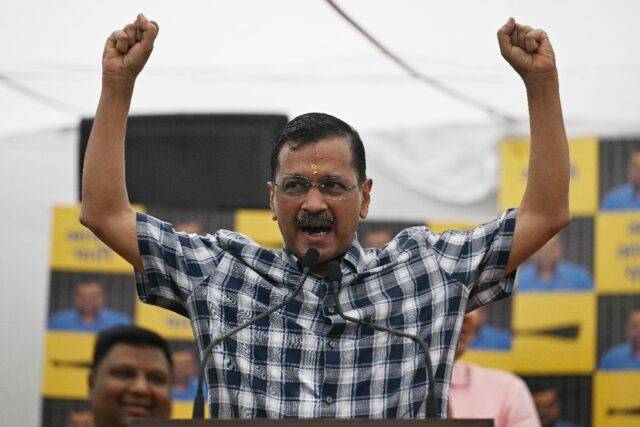
India Cracks Down On Dissent Amid Post-Conflict Tensions.

India’s government is facing criticism for its handling of dissenting voices in the aftermath of a recent military conflict with Pakistan. The government has taken legal action against academics, journalists, and private companies perceived as critical of its actions, sparking concerns about freedom of expression and the erosion of civil liberties.



Professor Ali Khan Mahmudabad, a respected political science academic at Ashoka University, was arrested at his Delhi residence on charges of threatening India’s sovereignty. The professor had expressed support for India’s armed forces during the conflict but also criticised those advocating for war, warning against “blind bloodlust” and highlighting the persecution of India’s minority Muslim population. His comments on social media platforms, where he urged caution and restraint, appear to have sparked the ire of the authorities.


The arrest is part of a broader crackdown on dissenting voices under Prime Minister Narendra Modi’s government. Critics argue that the government is using legal action to stifle debate and silence opponents, undermining the fundamental right to free speech. The move has raised concerns about the limits of dissent in India and the impact on the country’s democratic institutions.


Mr. Mahmudabad’s lawyer has raised questions about the legitimacy of the complaint, citing errors and irregularities in the legal process. The professor faces a potential sentence of three years to life in prison if convicted, a prospect that has sparked widespread concern among academics, activists, and human rights groups. The case has highlighted the need for transparency and accountability in the application of the law.


The conflict with Pakistan may have ended under outside mediation, but tensions remain high. The Indian government’s sensitivity to criticism reflects the charged atmosphere, with many Indians still reeling from the aftermath of the conflict. The crackdown on dissent has sparked concerns about the impact on India’s democratic values and the space for critical voices.


The arrest of Professor Mahmudabad has significant implications for free speech in India. If the government’s approach to dissent is not checked, it could have a chilling effect on public debate and criticism, undermining the very foundations of democracy. As India navigates its complex relationships with neighbouring countries, it is essential that the government balances national security concerns with the need to protect fundamental rights and freedoms.


The Indian government’s crackdown on dissent has raised important questions about the state of democracy and free speech in the country. As the case against Professor Mahmudabad unfolds, it will be crucial to monitor the implications for civil liberties and the limits of government power. The international community will be watching closely to see how India’s democratic institutions respond to these challenges.

Arrest Crackdown Critics Dissent Indian Government Pakistan PM Modi
Share. Facebook Twitter LinkedIn WhatsApp
Adejuyigbe Francis
  • Website

Thought Leader, Idea Bank, Nation Builder.

Keep Reading

Guest Column: The $67 Million Disco — Why Nigeria Is Mispricing Its Power Sector — Adebayo Adesanya

Appointment Of Thomas “Tommy” Pigott As U.S. State Department Spokesperson

JUST-IN: Dangote Refinery Raises Petrol Price To ₦1,275/Litre Amid Rising Crude Costs

Protecting Children In The Digital Age

Beyond The Present Impasse: A Calibrated, Five-Pillar Strategic Roadmap For Restoring The Credibility, Cohesion, and Popular Legitimacy Of The Economic Community Of West African States — Tolulope A. Adegoke, PhD

“Obasanjo Reignites Debate On NNPC Refineries, Says They May Never Work Again”

Add A Comment

Comments are closed.

Here is spotlighting many benefits of journeying with either Lagos State’s Blueline or Redline rails for a hassle-free day, week, month and year. Thank God for the Igbega Eko. Together we rise.
https://youtu.be/V67GV8wgyjw

Latest Posts

  • Guest Column: The $67 Million Disco — Why Nigeria Is Mispricing Its Power Sector — Adebayo Adesanya
  • Appointment Of Thomas “Tommy” Pigott As U.S. State Department Spokesperson
  • JUST-IN: Dangote Refinery Raises Petrol Price To ₦1,275/Litre Amid Rising Crude Costs
  • Protecting Children In The Digital Age
  • Beyond The Present Impasse: A Calibrated, Five-Pillar Strategic Roadmap For Restoring The Credibility, Cohesion, and Popular Legitimacy Of The Economic Community Of West African States — Tolulope A. Adegoke, PhD
Featured
About Fishe

FISHE was founded with the goal of helping clients thrive in today’s highly competitive marketing environment. While other companies rush to abandon traditional marketing in favour of digital techniques, we’ve bolstered our offline marketing capabilities while also equipping our team with seasoned professional knowledge to support our clients’ digital needs.

Through creative designs, we enhance our clients’ products and services the right way that would attract their target audience, thus, making the perception of their company a reality.

  • LTV 8, Agidingbi Road, Alausa, Ikeja, Lagos.
  • +234 806 003 7277
  • info@gofishe.com
FISHE, Your Best Plug For Bus Stop Shelter Ad

LATEST POSTS

Guest Column: The $67 Million Disco — Why Nigeria Is Mispricing Its Power Sector — Adebayo Adesanya

April 29, 2026

Appointment Of Thomas “Tommy” Pigott As U.S. State Department Spokesperson

April 29, 2026

JUST-IN: Dangote Refinery Raises Petrol Price To ₦1,275/Litre Amid Rising Crude Costs

April 29, 2026

Protecting Children In The Digital Age

April 27, 2026

Beyond The Present Impasse: A Calibrated, Five-Pillar Strategic Roadmap For Restoring The Credibility, Cohesion, and Popular Legitimacy Of The Economic Community Of West African States — Tolulope A. Adegoke, PhD

April 27, 2026
Featured

Subscribe to Updates

Get the latest news from FISHE about politics, economy, health and business, etc

Facebook X (Twitter) Instagram Pinterest
© 2026

Type above and press Enter to search. Press Esc to cancel.