


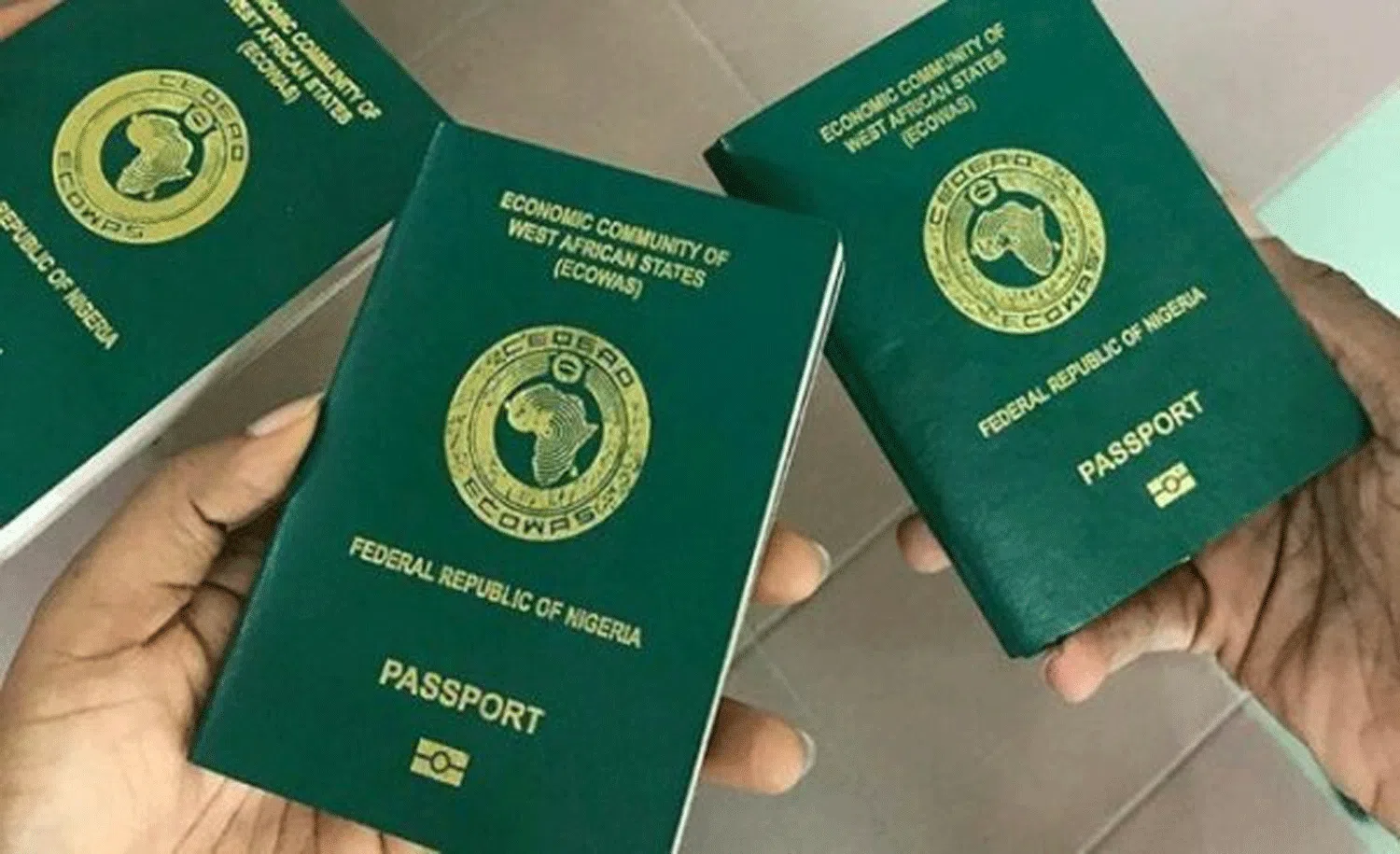
The Federal Government of Nigeria has ordered the immediate withdrawal and deactivation of passports held by individuals who have formally renounced their Nigerian citizenship. The directive, issued by the Minister of Interior, Olubunmi Tunji-Ojo, is part of ongoing efforts to strengthen the integrity of Nigeria’s citizenship and identity management systems.
Official Directive
According to a statement released on Saturday by the Minister’s Special Adviser on Media, Alao Babatunde, the directive instructs the Nigeria Immigration Service (NIS) to:
- Immediately withdraw Nigerian passports from affected individuals
- Deactivate such passports in official databases
- Apply the measure strictly to persons whose renunciation of citizenship has been formally approved by the President
The move targets Nigerians who have completed the legal process of renouncing their nationality but may still be in possession of valid Nigerian travel documents.
Legal Basis
The directive is anchored in Section 29(1) and (2) of the 1999 Constitution of Nigeria (as amended), which provides that:
- Any Nigerian of full age may renounce citizenship through a formal declaration.
- Once the declaration is registered by the President, the individual ceases to be a citizen of Nigeria.
Quoting the constitutional provision, the government emphasized that citizenship termination is automatic upon registration, leaving no legal basis for continued possession of Nigerian identity documents.
Government’s Position
Minister Tunji-Ojo stated that once an individual ceases to be a citizen, they are no longer entitled to hold sovereign documents of Nigeria, including passports.

He described the directive as:
- A necessary enforcement of existing laws
- A continuation of passport and visa reforms
- A measure to close loopholes previously exploited by former citizens
In his words, the policy is aimed at:
“Strengthening systems that secure Nigeria’s borders, prevent identity fraud, preserve the sanctity of Nigerian citizenship, and facilitate legitimate travel while preventing unauthorised or ineligible access.”
Rationale Behind the Policy
1. Closing Legal and Administrative Gaps
The government identified a loophole that allowed individuals who had renounced citizenship to continue traveling with Nigerian passports even after official approval of their renunciation.
2. Protecting National Identity Systems
By ensuring that only citizens possess Nigerian passports, authorities aim to reinforce the credibility of national identification systems.
3. Enhancing Border Security
The directive aligns with broader immigration reforms designed to improve border control and prevent misuse of Nigerian travel documents.
4. Preventing Identity Fraud
Retaining a passport after renunciation could create opportunities for impersonation or illegal travel, which the policy seeks to eliminate.
Implementation Strategy
The Nigeria Immigration Service is expected to:
- Identify individuals whose renunciation has been approved
- Update immigration and passport databases
- Deactivate and withdraw affected passports
This process will likely be integrated into Nigeria’s broader digital immigration and passport management systems.
Implications of the Directive
Legal Implications
- Affected individuals lose all rights tied to Nigerian citizenship, including passport ownership.
- Continued possession or use of a Nigerian passport after renunciation may be considered unlawful.
Impact on Nigerians in the Diaspora
- Former citizens must rely entirely on their new nationality for travel.
- Those who previously retained Nigerian passports for convenience will be directly affected.
Administrative Impact
- Increased responsibility for immigration authorities to maintain accurate citizenship records.
- Potential improvements in inter-agency data coordination.
Regional and Travel Implications
- Loss of access to travel privileges associated with Nigerian passports, including ease of movement within parts of West Africa.
Public and Policy Reactions
The directive has generated mixed reactions:
- Supporters view it as a logical and lawful step toward strengthening national security and identity systems.
- Critics have raised concerns about enforcement transparency, possible bureaucratic delays, and the need for clear communication to affected individuals.
Conclusion
The Federal Government’s decision to withdraw passports from individuals who renounce Nigerian citizenship marks a significant tightening of citizenship enforcement. Backed by constitutional provisions and framed as part of broader immigration reforms, the policy underscores a key principle: national identity documents are inseparable from citizenship status.
By closing existing loopholes and reinforcing legal standards, the government aims to enhance border security, prevent fraud, and uphold the integrity of Nigerian citizenship in an increasingly globalised world.
