


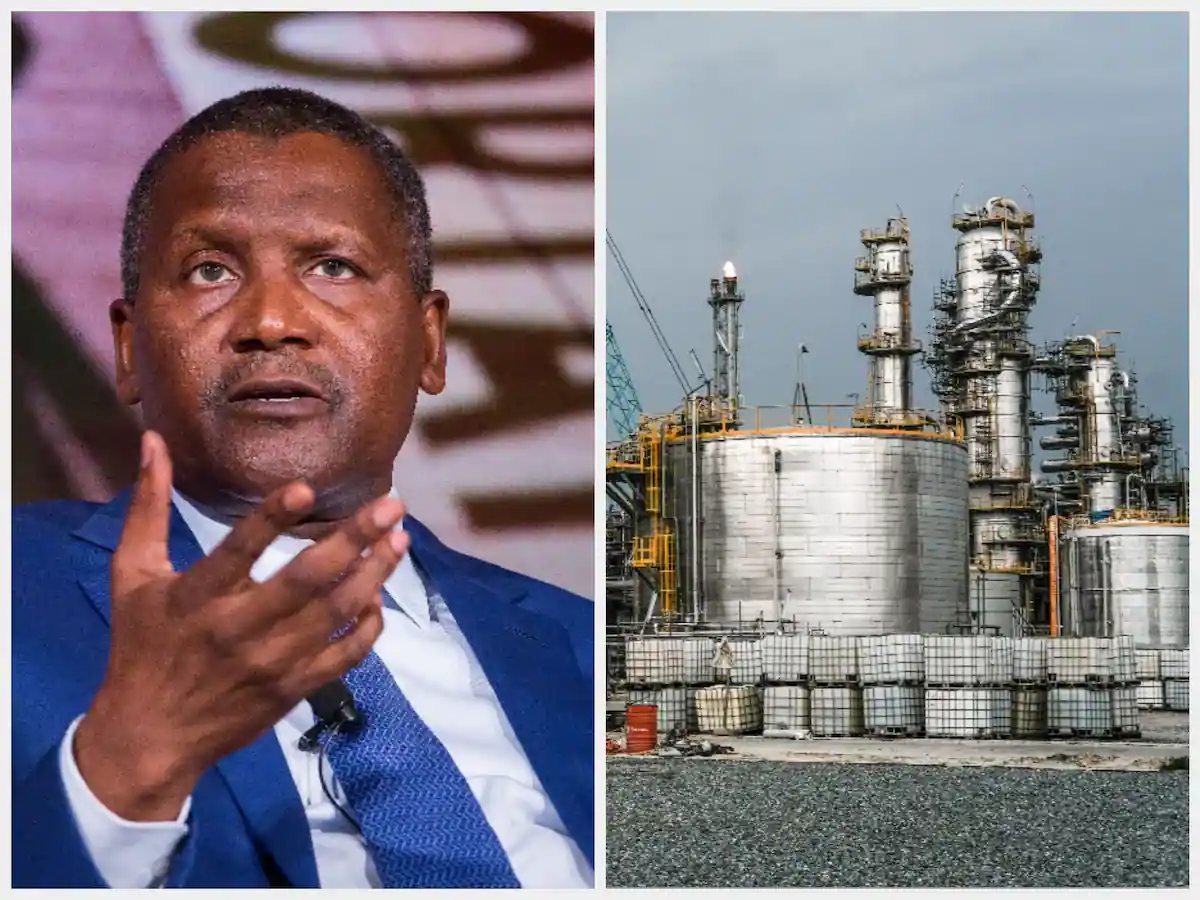
Overview of the Latest Development
Fuel market is facing another shock following a fresh price hike by the Dangote Petroleum Refinery. Unfolding late reports on March 20, 2026, shows that the refinery increased its ex-depot (gantry), price of Premium Motor Spirit (PMS), from ₦1,175 per litre to ₦1,245 per litre, representing a ₦70 increase per litre.
-
The new price takes effect from March 21, 2026
-
Coastal supply prices were also increased significantly
-
The adjustment applies to new product loadings, while some existing contracts may still be honored under prior terms

This marks yet another upward review in what has become a rapid series of price changes within March alone.
Pattern of Repeated Price Increases
The latest hike is part of a broader trend of frequent price adjustments by the refinery in recent weeks:
-
Early March 2026: Price increased to about ₦874/litre
-
Mid-March: Raised to ₦1,175/litre after a brief reduction
-
Now: Further increased to ₦1,245/litre
This pattern reflects high volatility in Nigeria’s downstream petroleum market, especially under deregulation.
Reasons Behind the Price Hike
a. Global Geopolitical Tensions
The refinery directly attributed the increase to escalating global geopolitical tensions, particularly in oil-producing regions.
-
Conflicts in the Middle East have disrupted supply chains
-
Crude oil prices have surged globally
-
Refining and import parity costs have increased
b. Rising Crude Oil Prices
Earlier increases were linked to Brent crude rising toward $100 per barrel, significantly raising production costs.
c. Deregulated Market Dynamics
Since Nigeria removed fuel subsidies in 2023, petrol prices are now market-driven, meaning:
-
Prices fluctuate with global oil markets
-
Exchange rate pressures affect costs
-
Local refiners like Dangote adjust prices based on input costs
Impact on Nigeria’s Fuel Market
a. Immediate Effects
-
Higher depot prices will likely translate into increased pump prices nationwide
-
Independent marketers may adjust retail prices upward
-
Transportation and logistics costs are expected to rise
b. Pressure on Consumers
The repeated hikes are expected to:
-
Increase cost of living
-
Trigger inflation in food and services
-
Reduce purchasing power
c. Market Reactions
Previous hikes caused:
-
Temporary suspension of transactions by depot operators
-
Uncertainty in supply chains
-
Panic buying in some areas
Nigeria in the Global Context
Despite rising prices, Nigeria still maintains relatively low petrol prices globally:
-
Average price: about ₦1,191 per litre ($0.88)
-
Global average: about ₦1,787 per litre ($1.32)
However, the rate of increase is among the highest globally, with Nigeria recording nearly 40% rise in a short period.
Role of the Dangote Refinery
The Dangote facility remains central to Nigeria’s fuel supply:
-
It is Africa’s largest refinery, capable of refining 650,000 barrels per day
-
It was expected to reduce dependence on imports
-
It now plays a dominant role in price formation in the domestic market
While the refinery helps ensure supply stability, its pricing decisions now have direct nationwide impact.
Broader Economic Implications
a. Inflationary Pressure
Frequent petrol price increases typically:
-
Raise transport fares
-
Increase production costs for businesses
-
Drive overall inflation
b. Exchange Rate Sensitivity
Since crude oil is priced in dollars:
-
A weaker naira increases local fuel costs
-
Refiners must adjust prices to remain viable
c. Energy Security vs Affordability
There is a growing tension between:
-
Ensuring local refining and supply security
-
Maintaining affordable fuel prices for citizens
Outlook
Further increases cannot be ruled out if:
-
Global crude prices remain high
-
Geopolitical tensions persist
-
Exchange rate pressures continue
However, analysts note that without the Dangote refinery, prices could be even higher, given Nigeria’s previous reliance on imports.
Conclusion
The latest petrol price hike by the Dangote Refinery underscores the new reality of deregulated fuel market, where prices are increasingly tied to global forces.
While the refinery strengthens domestic supply and reduces import dependence, its repeated price adjustments highlight the fragility of fuel affordability, leaving consumers exposed to both international oil shocks and local economic pressures.
If the current trend continues, Nigerians may face further increases in fuel costs and broader economic strain in the coming weeks.
