


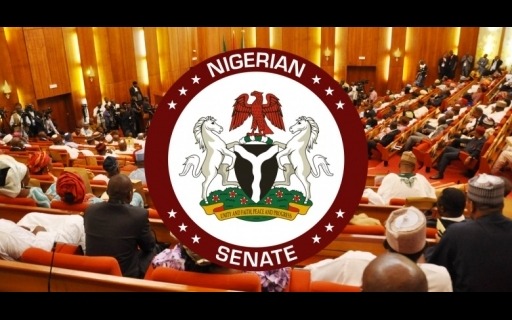
The Nigerian Senate has approved President Bola Ahmed Tinubu’s request to secure external loans totaling $6 billion, reflecting a swift legislative response to urgent fiscal and infrastructural needs. The approval came barely four hours after the Senate President, Godswill Akpabio, read the letters from the President requesting the loans.
Background and Structure of the Loan Request
President Tinubu’s request was submitted in two separate letters addressed to the Senate and read during plenary on Tuesday, March 31, 2026.
- $5 Billion Structured TRS Facility – The first letter sought approval for a structured total return swap (TRS), external financing programme of up to $5 billion with First Abu Dhabi Bank of the United Arab Emirates. This facility is structured to be disbursed in tranches and is intended to support budget implementation, cash flow management, and debt refinancing.
- $1 Billion UK Export Finance Facility – The second letter requested a $1 billion export credit facility arranged by Citibank, London branch, under UK Export Finance. This loan is earmarked for the reconstruction and rehabilitation of the Lagos Port Complex (Apapa), and Tin Can Island Port, two of Nigeria’s busiest maritime gateways. The initiative is aimed at improving cargo handling capacity, operational efficiency, and reducing congestion, thereby strengthening Nigeria’s position as a regional trade hub.
President Tinubu also proposed the issuance of naira-denominated Federal Government securities as collateral for the UAE facility and for covering margining obligations in dollars — standard mechanisms for structured external borrowing.
Senate Consideration and Approval
The red chamber of the National Assembly approved the loans following the presentation and consideration of a report by the Senator Aliyu Wamakko-led Committee on Local and Foreign Debts. The committee’s report highlighted the strategic importance of the loans for budgetary support, infrastructure development, and debt management.


The speedy approval, just hours after the request was read, underscores the Senate’s legislative compliance with constitutional and statutory requirements for external borrowing under the Debt Management Office Establishment Act, which mandates legislative consent before such facilities can be secured.
Strategic Importance
The $6 billion borrowing has three primary objectives:
- Budget Implementation & Fiscal Liquidity – To fund recurrent and capital expenditures in the 2026 national budget, ensuring continuity of government operations without cash shortfalls.
- Debt Refinancing & Servicing – To restructure and refinance existing domestic and external debt, lowering the overall cost of debt servicing.
- Infrastructure Development – To rehabilitate Lagos and Tin Can Island ports, easing congestion, improving efficiency, and enhancing Nigeria’s trade competitiveness.
The phased TRS facility is intended to mitigate immediate pressure on the public debt stock, which stood at $110.3 billion (₦159.2 trillion), as of the end of 2025, highlighting ongoing challenges in debt management.
Implementation & Oversight
Following Senate approval, the federal government will proceed to:
- Negotiate final terms with First Abu Dhabi Bank and UK Export Finance.
- Disburse funds in tranches as per project and budgetary needs.
- Execute port rehabilitation and budget support initiatives while ensuring compliance with borrowing conditions.
- Maintain oversight and transparency, with the Senate expected to monitor fund utilization closely.
Summary of the Loan
| Component | Amount | Lender | Purpose |
|---|---|---|---|
| TRS Facility | $5 billion | First Abu Dhabi Bank, UAE | Budget support, debt refinancing |
| Export Credit Facility | $1 billion | UK Export Finance via Citibank, London | Lagos and Tin Can Island Port rehabilitation |
| Total | $6 billion | – | Budget & infrastructure support |
Considerations and Challenges
While the loans are expected to strengthen fiscal stability and improve critical infrastructure, analysts caution on:
- Debt sustainability, given Nigeria’s rising public debt.
- Economic risks, especially concerning structured financial products like TRS.
- Effective oversight, ensuring funds are used transparently and achieve the intended impact.
In conclusion,
the Nigerian Senate’s rapid approval of President Tinubu’s $6 billion loan request represents a coordinated effort between the executive and legislative arms to address urgent fiscal needs and infrastructural deficits, particularly in the nation’s port sector, while balancing debt management and economic growth priorities.