


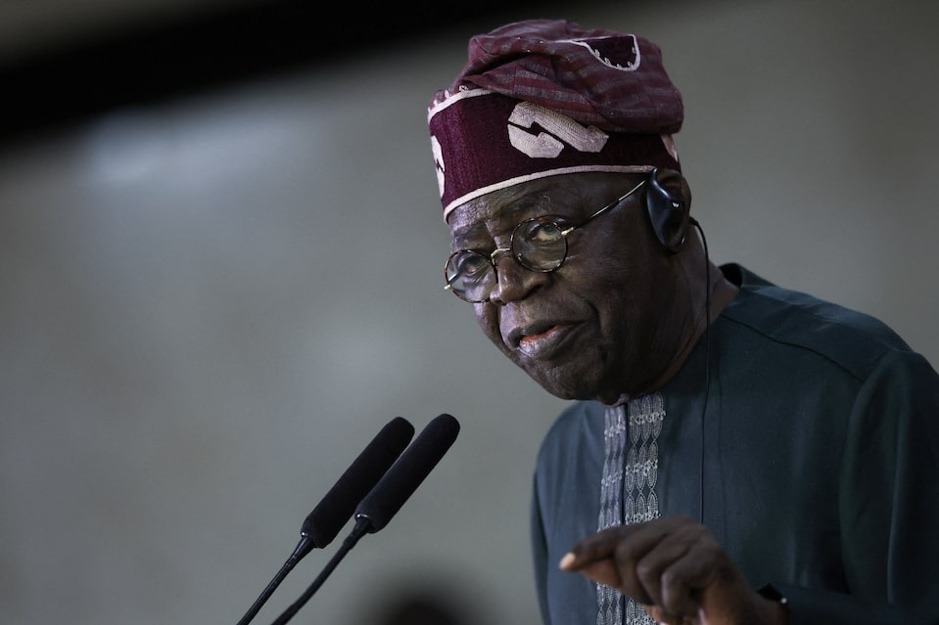
President Bola Ahmed Tinubu has formally written to the Nigerian Senate seeking approval to borrow $5 billion as part of a broader external financing plan aimed at stabilising the economy and funding national priorities.
The request was conveyed in a letter addressed to the President of the Senate, Godswill Akpabio, and read during plenary on Tuesday.
In a separate communication to the Senate, the President also requested approval for an additional $1 billion loan facility, bringing the total proposed external borrowing to $6 billion.
Structure of the Loan Requests
a. $5 Billion Abu Dhabi Facility
The primary loan request involves:
- Source: Abu Dhabi Bank (First Abu Dhabi Bank–linked financing structure)
- Amount: $5 billion
- Purpose:
- Financing the budget deficit
- Supporting debt financing and refinancing
- Providing liquidity support
- Funding key government expenditures
The facility is expected to help the federal government manage fiscal pressures and maintain economic stability.

b. $1 Billion UK/Eurobond-Linked Facility
In a second letter, Tinubu requested approval for:
- Source: London-based Citibank (UK/Eurobond-linked loan structure)
- Amount: $1 billion
Target Projects:
- Lagos Port Complex
- Tin Can Island Port
Key Objectives:
According to the President, the port rehabilitation project aims to:
- Address critical infrastructure deficiencies
- Improve operational efficiency
- Enhance safety standards
- Support non-oil trade diversification
- Position Nigeria as a regional and global trade hub
Legislative Process and Key Actors
Following the presentation of the letters:
- Senate President Godswill Akpabio formally read the requests during plenary.
- The proposals were referred to the Senate Committee on Local and Foreign Debts.
Committee Oversight
The committee is chaired by Aliyu Wamakko, who has been tasked with:
- Reviewing the loan terms and structure
- Assessing fiscal and economic implications
- Conducting legislative scrutiny
- Reporting back to the Senate promptly
This step is constitutionally required before final legislative approval of external borrowing.
Strategic Rationale Behind the Borrowing
i. Budget Deficit Financing
Nigeria continues to face a significant fiscal deficit, driven by:
- High public expenditure
- Limited revenue generation
- Rising debt servicing obligations
The $5 billion facility is intended to bridge this funding gap and ensure smooth execution of the national budget.
ii. Infrastructure and Trade Development
The additional $1 billion loan is specifically targeted at port modernisation, a critical sector for Nigeria’s economy.
Improved port infrastructure is expected to:
- Reduce congestion and delays
- Lower logistics costs
- Boost import/export efficiency
- Strengthen Nigeria’s competitiveness in global trade
iii. Economic Diversification
A key policy goal of the Tinubu administration is reducing reliance on oil revenue.
By upgrading port infrastructure, the government aims to:
- Promote non-oil exports
- Encourage industrial growth
- Expand trade opportunities
iv. Debt Management and Liquidity Support
Part of the borrowing may be used to:
- Refinance existing high-cost debts
- Improve short-term liquidity
- Stabilize public finances
However, this also contributes to Nigeria’s rising debt profile, a major policy concern.
Economic Context
a. Fiscal Pressures
Nigeria’s economy is currently navigating:
- High inflation
- Currency volatility
- Increasing cost of governance
Debt servicing already consumes a large share of government revenue, limiting fiscal flexibility.
b. Reform Environment
Under President Tinubu, key reforms include:
- Fuel subsidy removal
- Exchange rate liberalisation
While these reforms aim at long-term stability, they have also:
- Increased cost of living
- Heightened demand for government intervention
c. External Borrowing Trend
The current request reflects a broader reliance on external financing to:
- Fund infrastructure
- Support reforms
- Manage fiscal deficits
Potential Benefits of the Loans
If effectively implemented, the borrowing could:
- Accelerate infrastructure development
- Improve port efficiency and trade flows
- Support economic diversification
- Provide short-term fiscal relief
- Enhance Nigeria’s position as a regional trade hub
Key Risks and Concerns
i. Debt Sustainability
- Increased borrowing raises Nigeria’s total debt stock
- Future repayment obligations may strain public finances
ii. Foreign Exchange Risk
- External loans expose Nigeria to exchange rate fluctuations
- A weaker naira could increase repayment costs
iii. Transparency and Accountability
-
Concerns remain about:
- Proper utilisation of funds
- Oversight mechanisms
- Project execution efficiency
Conclusion
President Bola Ahmed Tinubu’s request for Senate approval to secure $5 billion in external borrowing, alongside an additional $1 billion for port rehabilitation, underscores the administration’s effort to balance economic reform, infrastructure investment, and fiscal stability.
With the involvement of key legislative figures such as Godswill Akpabio and Aliyu Wamakko, the approval process is underway and will play a critical role in determining the country’s fiscal direction.
The ultimate impact of this borrowing strategy will depend on:
- Efficient use of funds
- Strong fiscal discipline
- Tangible economic outcomes
