


Recent reports indicate that citizens of Nigeria, Jamaica, and several African & Caribbean nations could face new UK visa restrictions under a proposed policy by the political party, Reform UK.
The proposal is not yet law. It would only be implemented if Reform UK wins the next UK general election. However, it has already sparked international debate and diplomatic concern.
Countries Potentially Affected
The policy targets nations that have formally demanded reparations for slavery and colonialism.
Countries mentioned include:
- Nigeria
- Jamaica
- Ghana
- Kenya
- Haiti
- Guyana
- Barbados
- The Bahamas
Many of these nations are part of broader coalitions like the African Union and Caribbean Community, which are actively pushing for reparatory justice.

Nature of the Proposed Restrictions
If implemented, the policy could include:
- Denial of visitor visas
- Restrictions on student and work visas
- Broader immigration limits affecting citizens of targeted countries
This would mark a significant shift toward country-specific immigration penalties tied to political positions.
Justification by Reform UK
The proposal is framed as a response to increasing reparations demands.
Key arguments from Reform UK
The party’s Home Affairs spokesperson, Zia Yusuf, stated that:
- Countries demanding reparations are ignoring Britain’s role in abolishing slavery
-
The UK has already:
- Issued 3.8 million visas
- Provided £6.6 billion in foreign aid over 20 years
He concluded: “Enough is enough.”
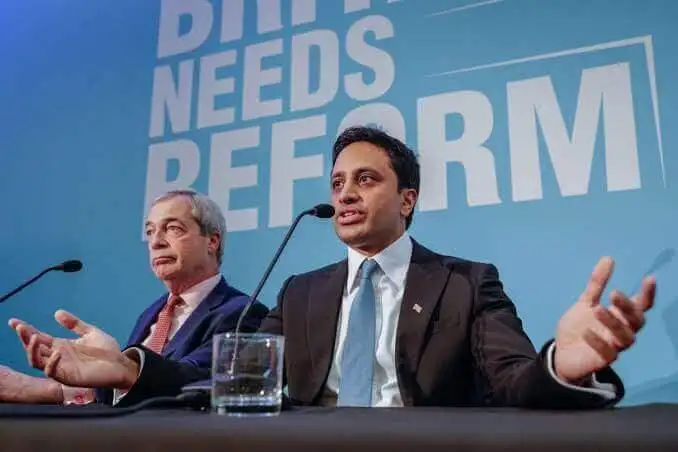
Party leader, Nigel Farage, also criticised the United Nations, rejecting external pressure for reparations and calling such demands excessive.
Link to United Nations Resolution
The policy proposal comes shortly after a major development at the United Nations.
Key UN developments (March–April 2026):
- The UN General Assembly adopted a resolution declaring:
- The transatlantic slave trade as one of the “gravest crimes against humanity”
- Vote outcome:
- 123 in favour
- 3 against (including the United States)
- 52 abstentions (including the UK)
The resolution was strongly backed by Ghana and supported by:
- African nations
- Caribbean states
- Reparations advocacy groups
Reparations Movement: Historical and Modern Context
Historical Background
Centuries ago, millions of Africans were:
- Captured and forcibly transported across the Atlantic
- Enslaved in Europe and the Americas
- Separated from families and cultures
The long-term effects include:
- Structural inequality
- Economic disadvantage
- Cultural disruption
b. Modern Reparations Demands
Countries and organizations are now seeking:
- Formal apologies
- Financial compensation
- Return of stolen cultural artifacts
- Policy reforms to address inequality
Key advocates include:
- Ghana
- Caribbean Community
- African Union
- Countries like Haiti and Guyana
UK Government and Political Responses
Official UK Position
A UK Foreign Office spokesperson acknowledged:
- The historical horrors of slavery
- But maintained that the UK’s stance on reparations remains unchanged (no payments)
Opposition View
Keir Starmer, leader of the Labour Party, stated:
- He prefers to focus on the future rather than past reparations
- Has ruled out apologies or financial compensation
Reform UK Broader Policy Agenda
In addition to visa restrictions, Reform UK proposes:
- Cutting foreign aid to £1 billion annually
- A 90% reduction from current spending
- Broader immigration tightening
International Reaction and Criticism
The proposal has drawn criticism from:
- African governments
- Caribbean leaders
- Human rights organizations
Main concerns:
- The policy is punitive and discriminatory
- It targets countries seeking historical justice
- It risks damaging UK relations with Commonwealth partners
Implications
Diplomatic Relations
- Could strain ties between the UK and Africa/Caribbean regions
- May weaken cooperation in trade, education, and migration
Migration Impact
- Nigerians and others could face:
- Reduced access to UK education
- Limited work opportunities
- Disruptions to diaspora connections
Economic Effects
- Potential decline in:
- Remittances
- Skilled migration
- Could worsen labour shortages in the UK
Key Takeaways
- The visa restriction plan is proposed, not active policy
- It targets countries demanding slavery reparations
- Nigeria and Jamaica are among the most affected
- The issue is tied to a broader global reparations debate
- It has triggered significant international backlash
Conclusion
The proposed visa restrictions reflect a growing clash between immigration policy and historical accountability. While still hypothetical, the plan signals how debates over slavery reparations—now amplified by the United Nations—could reshape global mobility, diplomacy, and political discourse.
If implemented, the policy could have far-reaching consequences not just for migration, but for UK relations with Africa and the Caribbean, and the wider global conversation on justice and historical responsibility.
