

Close Menu
Fishe News
  • Home
  • Entertainment
  • National
  • International
  • Tech
  • Politics
  • Sports
  • PMNI
  • More
    • Business
    • Culture
    • Education
    • History
    • Health
  • Featured
    • Fishe Travel
    • Fishe Media
    • Fishe TV
Facebook X (Twitter) Instagram
Trending
  • Framework For The Establishment Of Federal And State Police Services In Nigeria
  • The Trials Of Leadership In National Security: Lessons, Challenges, And Enduring Solutions From Nigeria, Africa, And The Global Arena — Tolulope A. Adegoke, PhD
  • President Tinubu Launches Presidential Task Force On Ebola Preparedness
  • The Hamzat Paradox: Continuity, Change, And The 2027 Lagos Gamble
  • ProvidusUnity Bank Emerges As Supreme Court Approves Landmark Unity Bank–Providus Bank Merger
  • United States Sanctions Armed Group Leaders In Eastern Democratic Republic Of The Congo
  • Airtel, Glo Resume Airtime Lending After Court Halts FCCPC Enforcement
  • Leadership In Africa: Forging A New Era Of Self-Reliance, Unity, And Global Relevance – Pt. 3 — Tolulope A. Adegoke, PhD
X (Twitter) Instagram
Fishe NewsFishe News
Subscribe
Sunday, June 14
  • Home
  • Entertainment
  • National
  • International
  • Tech
  • Politics
  • Sports
  • PMNI
  • More
    • Business
    • Culture
    • Education
    • History
    • Health
  • Featured
    • Fishe Travel
    • Fishe Media
    • Fishe TV
Fishe News
Home»Education

Updated: ASUU, NUT, Others Condemn Ban On Under-18 Candidates For National Exams

Editor FrancisBy Editor FrancisAugust 27, 2024 Education No Comments3 Mins Read
Share Facebook Twitter LinkedIn Email WhatsApp

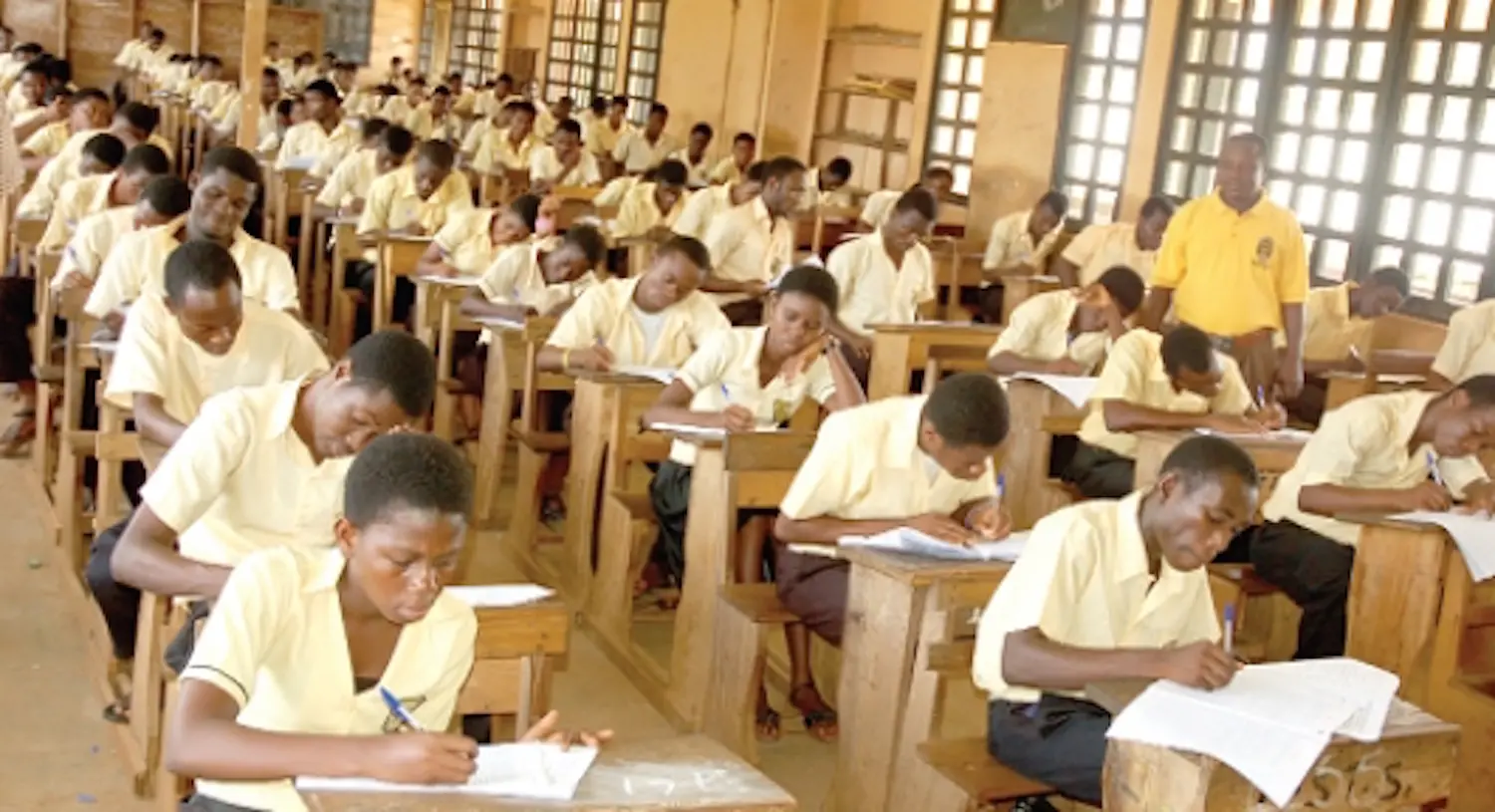
The Nigeria Union of Teachers (NUT) has criticized the Federal Government’s decision to prohibit candidates under the age of 18 from taking the West African Senior School Certificate Examination (WASSCE) and the National Examination Council (NECO) exams.

This policy has, however, received support from the Academic Staff Union of Universities (ASUU), as reported by The Punch.

The new age policy, announced by the Minister of Education, Prof. Tahir Mamman, during an appearance on Channels Television’s ‘Sunday Politics’ programme, mandates that only students aged 18 and above will be allowed to sit for secondary school leaving examinations.

This policy impacts the West African Examinations Council (WAEC), which administers the WASSCE, and the National Examinations Council, which oversees the Senior School Certificate Examination (SSCE). It also extends to the Unified Tertiary Matriculation Examination (UTME), conducted by the Joint Admissions and Matriculation Board (JAMB).



Prof. Mamman emphasized that the policy was not new but a reminder of an existing regulation, stating, “For the avoidance of doubt, this is not a new policy; this is a policy that has been there for a long time.” He explained that the education system in Nigeria is structured to have students complete their studies by the age of 17 and a half, from early childhood education through to senior secondary school.

“NECO and WAEC, henceforth, will not be allowing underage children to write their examinations,” Mamman added. He explained that children would begin primary education at age six, spend six years in primary school, proceed to junior secondary school at age 12, spend three years there, and then move to senior secondary school at age 15, completing their education by age 18.

Despite this clarification, the policy has sparked criticism from various education stakeholders. Dr. Mike Ene, Secretary-General of the NUT, argued that societal changes, such as early enrollment in educational institutions due to economic pressures, make the policy unrealistic. He pointed out that many children are enrolled in crèches and begin learning early, which accelerates their academic progress. Ene also expressed concerns about exceptional students who might be younger but are academically advanced, warning that the policy could lead to legal challenges.

Similarly, Mr. Shammah Kpanja, National President of the Academic Staff Union of Polytechnics (ASUP), suggested that the decision to allow students under 18 to take exams should depend on their academic abilities. He urged the government to prioritize critical issues such as improving infrastructure in schools, providing adequate equipment, and enhancing teachers’ welfare over imposing age restrictions on exams.

Critics, including university stakeholders, have also pointed out inconsistencies in the government’s policies, noting the disparity between allowing child marriages in some regions while restricting younger students from taking national exams. Prof. Yakubu Ochefu, Secretary-General of the Committee of Vice-Chancellors of Nigerian Universities, indicated that the vice-chancellors would meet in September to discuss the policy and determine their stance.

The WAEC Head of National Office, Dr. Amos Dagnut, noted that while the government has the authority to regulate education, WAEC does not maintain records of candidates’ ages, as these details are provided by the schools.

Prof. Emmanuel Osodeke, National President of ASUU, acknowledged that the union had not yet discussed the policy but personally supported the standard academic progression, which sees students entering university at age 18 after completing the requisite years in primary and secondary education.


ASUU FG
Share. Facebook Twitter LinkedIn WhatsApp
Editor Francis
  • Website

Keep Reading

FG Declares Wednesday, Thursday Public Holidays For Eid-el-Kabir Celebration

Federal Government Begins Disbursement Of BEA Scholars’ Allowances

JUST-IN THE NEWS: President Tinubu Hands JAMB Leadership To Prof. Segun Aina

FG Unveils Technology-Driven Tax Ombud Platforms

Nigeria Introduces Mandatory Drug Tests For Secondary School Students

BREAKING IN THE NEWS: Honourary Degrees No Longer Qualify For “Dr.” Title Under New FG Directive

Add A Comment

Comments are closed.

Here is spotlighting many benefits of journeying with either Lagos State’s Blueline or Redline rails for a hassle-free day, week, month and year. Thank God for the Igbega Eko. Together we rise.
https://youtu.be/V67GV8wgyjw

Latest Posts

  • Framework For The Establishment Of Federal And State Police Services In Nigeria
  • The Trials Of Leadership In National Security: Lessons, Challenges, And Enduring Solutions From Nigeria, Africa, And The Global Arena — Tolulope A. Adegoke, PhD
  • President Tinubu Launches Presidential Task Force On Ebola Preparedness
  • The Hamzat Paradox: Continuity, Change, And The 2027 Lagos Gamble
  • ProvidusUnity Bank Emerges As Supreme Court Approves Landmark Unity Bank–Providus Bank Merger
Featured
About Fishe

FISHE was founded with the goal of helping clients thrive in today’s highly competitive marketing environment. While other companies rush to abandon traditional marketing in favour of digital techniques, we’ve bolstered our offline marketing capabilities while also equipping our team with seasoned professional knowledge to support our clients’ digital needs.

Through creative designs, we enhance our clients’ products and services the right way that would attract their target audience, thus, making the perception of their company a reality.

  • LTV 8, Agidingbi Road, Alausa, Ikeja, Lagos.
  • +234 806 003 7277
  • info@gofishe.com
FISHE, Your Best Plug For Bus Stop Shelter Ad

LATEST POSTS

Framework For The Establishment Of Federal And State Police Services In Nigeria

June 11, 2026

The Trials Of Leadership In National Security: Lessons, Challenges, And Enduring Solutions From Nigeria, Africa, And The Global Arena — Tolulope A. Adegoke, PhD

June 11, 2026

President Tinubu Launches Presidential Task Force On Ebola Preparedness

June 11, 2026

The Hamzat Paradox: Continuity, Change, And The 2027 Lagos Gamble

June 10, 2026

ProvidusUnity Bank Emerges As Supreme Court Approves Landmark Unity Bank–Providus Bank Merger

June 4, 2026
Featured

Subscribe to Updates

Get the latest news from FISHE about politics, economy, health and business, etc

Facebook X (Twitter) Instagram Pinterest
© 2026

Type above and press Enter to search. Press Esc to cancel.