

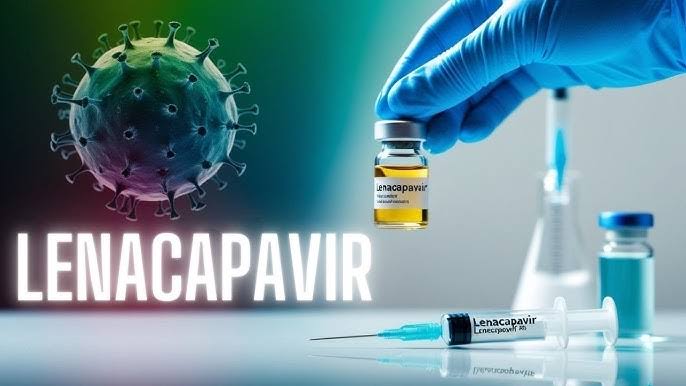
The Federal Government of Nigeria has announced a major breakthrough in HIV prevention following a landmark price reduction of the revolutionary drug lenacapavir.
The cost of the twice yearly HIV prevention injection has been slashed from $28,000 to just $40 per person per year, making it accessible to millions across Nigeria and over 100 low and middle income countries.
This deal was made possible through strategic collaborations with UNITAID, the Clinton Health Access Initiative, Dr. Reddy’s Laboratories, and the Gates Foundation. According to Dr. Temitope Ilori, Director General of the National Agency for the Control of AIDS (NACA), the agreement ensures innovation is paired with equity. “Today marks a milestone in our fight against HIV in Nigeria and globally. Through this landmark access agreement, we are unlocking affordable access to lenacapavir, a transformational prevention option that offers longer protection, greater convenience, and renewed hope to millions at risk,” Ilori said.
Lenacapavir has been shown to be up to 100% effective in preventing new HIV infections, offering longer protection and greater convenience compared to daily oral PrEP pills. With over 2 million Nigerians living with HIV, the introduction of lenacapavir is expected to open a new frontier in prevention, particularly for vulnerable populations.

The agreement underscores Nigeria’s commitment to expand prevention, strengthen health systems, and fast track the goal of ending HIV as a public health threat by 2030. “This breakthrough does not remain a privilege for the few. It lays the foundation for broad, long lasting impact for those who need it most,” Ilori stressed.
The organisations behind the deal have committed to accelerate the rollout of generic versions of lenacapavir, expected as early as 2027. This will further increase access to the drug and enhance its impact on HIV prevention in Nigeria and beyond.
Nigeria’s role in the agreement has been hailed as a demonstration of leadership at the UNGA, reaffirming the country’s commitment to health equity, stronger systems, and partnerships that can accelerate progress toward ending HIV as a public health challenge.
