


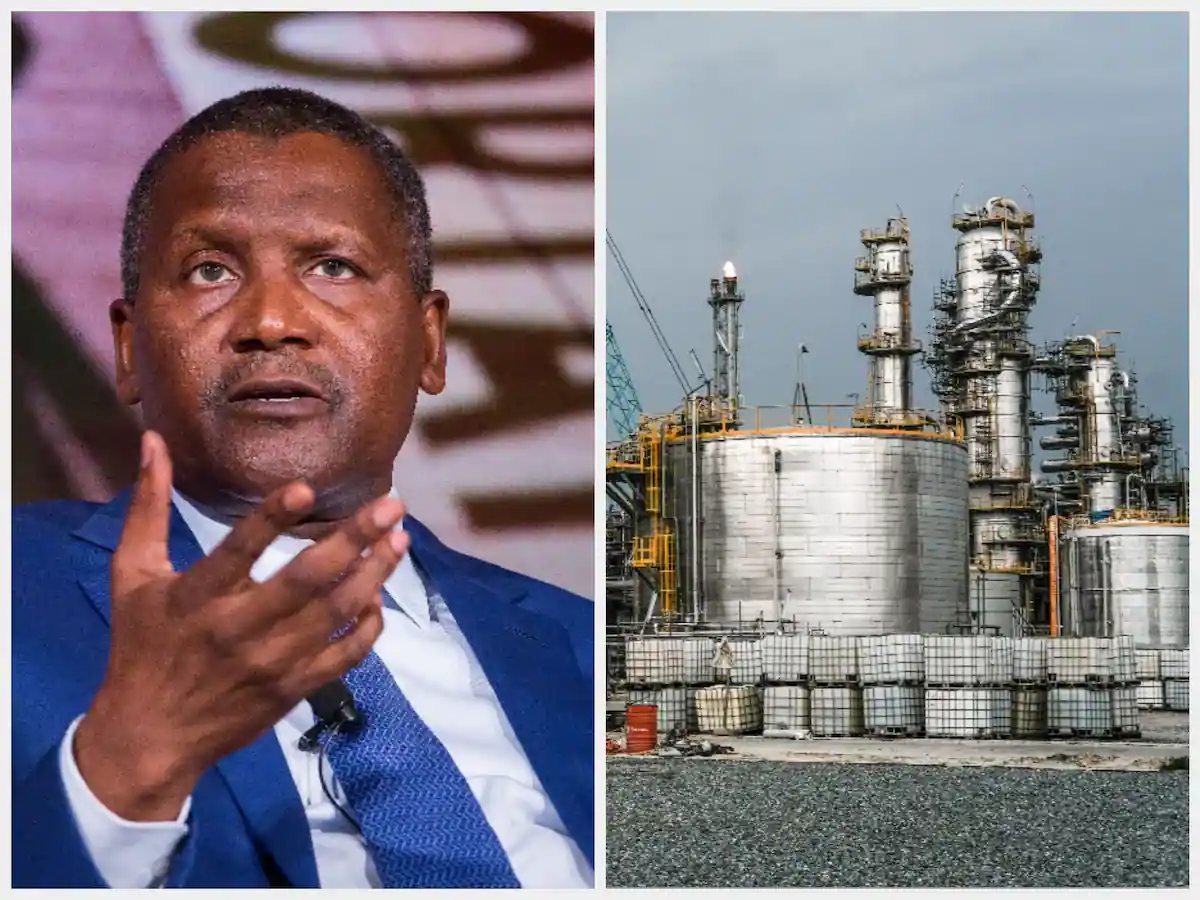
The Nigerian downstream petroleum sector has witnessed another significant price adjustment following the decision of the Dangote Petroleum Refinery to increase the ex-depot price of Premium Motor Spirit (PMS)—commonly known as petrol—to ₦1,175 per litre, while Automotive Gas Oil (diesel), has risen to ₦1,620 per litre.
This latest adjustment reflects ongoing volatility in global crude oil markets and growing pressure on domestic fuel pricing in Nigeria’s deregulated petroleum sector. The development is expected to have far-reaching implications for transportation, inflation, business operations, and household expenditures across the country.
Overview of the Price Increase
According to industry sources, the refinery communicated a new pricing template to marketers and depot operators, confirming the revised ex-depot rates.
Under the new structure:
-
Petrol (PMS): ₦1,175 per litre

-
Diesel (AGO): ₦1,620 per litre
The increase represents a ₦180 jump from the previous petrol price of ₦995 per litre, translating to roughly 18.1% growth within three days.
Similarly, diesel prices climbed from about ₦1,430 per litre to ₦1,620, reinforcing a broader upward trend in fuel costs.
Industry analysts note that this marks the fourth price review in less than two weeks, highlighting instability in Nigeria’s fuel market amid rising global oil prices.
Timeline of Recent Fuel Price Adjustments
The current increase forms part of a rapid series of price revisions by the refinery:
| Date/Period | Petrol Price (Ex-Depot) | Change |
|---|---|---|
| Early March | ₦774 per litre | Baseline |
| Few days later | ₦874 per litre | +₦100 |
| March 6 | ₦995 per litre | +₦121 |
| March 9 | ₦1,175 per litre | +₦180 |
Within roughly one week, petrol prices have risen over 50% from ₦774 to ₦1,175 per litre, demonstrating how quickly the downstream market is responding to global oil fluctuations.
Causes of the Price Increase
Rising Global Crude Oil Prices
One of the primary drivers behind the price hike is the surge in international crude oil prices.
Recent geopolitical tensions and supply disruptions pushed Brent crude above $100 per barrel, increasing the cost of crude supply and refining operations.
The market is increasingly concerned about supply disruptions in the Strait of Hormuz, a critical route for oil exports from major producers such as Saudi Arabia, Iraq, Kuwait, and the UAE.
Deregulation of Nigeria’s Downstream Sector
Nigeria’s fuel market has transitioned to a deregulated pricing regime, meaning prices are influenced by:
-
Global crude oil prices
-
Foreign exchange rates
-
Shipping and logistics costs
-
Refining and distribution margins
Under this framework, refiners and marketers adjust prices based on prevailing market conditions rather than government subsidies.
Supply and Market Dynamics
Market participants also noted that the refinery temporarily suspended petrol loading operations before the new price announcement, fueling speculation of an imminent adjustment.
In Nigeria’s downstream market, price changes from Dangote Refinery often set the benchmark for depot prices nationwide, meaning marketers across the country are likely to follow the new price template.
The Role of Dangote Refinery in Nigeria’s Energy Sector
The Dangote Petroleum Refinery is a major project owned by the Dangote Group and located in the Lekki Free Trade Zone in Lagos.
Key features include:
-
Refining capacity of about 650,000 barrels per day
-
Investment exceeding $19 billion
-
Ability to meet 100% of Nigeria’s fuel demand and export surplus products.
Because of its size and capacity, pricing decisions by the refinery significantly influence fuel supply and pricing across the Nigerian petroleum market.
Economic Implications of the Price Hike
Rising Transportation Costs
Higher petrol prices will likely increase transportation fares across the country, affecting commuters and logistics companies.
Inflationary Pressure
Fuel is a key input for economic activity. Rising diesel and petrol prices may lead to:
-
Higher cost of goods and services
-
Increased production costs for businesses
-
Rising inflation levels
Impact on Small Businesses
Small enterprises that rely on diesel-powered generators—such as shops, factories, and restaurants—will face higher operating costs.
Possible Effects on Pump Prices
Since the ₦1,175 price represents an ex-depot (gantry) price, the actual retail pump price could be higher after adding:
-
Transportation costs
-
Marketers’ margins
-
Station operating costs
Industry observers estimate that pump prices in some areas could exceed ₦1,250–₦1,300 per litre, depending on location and logistics.
Market Reactions
The rapid succession of price increases has sparked concerns among consumers and industry players about:
-
Fuel affordability
-
Market stability
-
Potential ripple effects on Nigeria’s broader economy
However, some analysts argue that price adjustments are inevitable under a deregulated market structure, especially during periods of global oil price volatility.
Conclusion
The latest decision by the Dangote Petroleum Refinery to raise petrol prices to ₦1,175 per litre and diesel to ₦1,620 per litre underscores the growing influence of global oil dynamics on Nigeria’s domestic fuel market.
With fuel subsidies removed and the market largely deregulated, petroleum prices are increasingly determined by international crude prices and supply chain factors. As a result, Nigerians may continue to experience fluctuations in fuel costs, particularly during periods of global energy market instability.
