

Close Menu
Fishe News
  • Home
  • Entertainment
  • National
  • International
  • Tech
  • Politics
  • Sports
  • PMNI
  • More
    • Business
    • Culture
    • Education
    • History
    • Health
  • Featured
    • Fishe Travel
    • Fishe Media
    • Fishe TV
Facebook X (Twitter) Instagram
Trending
  • Guest Column: The $67 Million Disco — Why Nigeria Is Mispricing Its Power Sector — Adebayo Adesanya
  • Appointment Of Thomas “Tommy” Pigott As U.S. State Department Spokesperson
  • JUST-IN: Dangote Refinery Raises Petrol Price To ₦1,275/Litre Amid Rising Crude Costs
  • Protecting Children In The Digital Age
  • Beyond The Present Impasse: A Calibrated, Five-Pillar Strategic Roadmap For Restoring The Credibility, Cohesion, and Popular Legitimacy Of The Economic Community Of West African States — Tolulope A. Adegoke, PhD
  • “Obasanjo Reignites Debate On NNPC Refineries, Says They May Never Work Again”
  • “Airlines Threaten Shutdown As Jet Fuel Prices Soar Above ₦3,000”
  • Sustaining Momentum: Evaluating Progress In The DRC–Rwanda Peace Process
X (Twitter) Instagram
Fishe NewsFishe News
Subscribe
Wednesday, April 29
  • Home
  • Entertainment
  • National
  • International
  • Tech
  • Politics
  • Sports
  • PMNI
  • More
    • Business
    • Culture
    • Education
    • History
    • Health
  • Featured
    • Fishe Travel
    • Fishe Media
    • Fishe TV
Fishe News
Home»1999 Constitution

A Short History Of Adire

Onyinyechi NwanunobiBy Onyinyechi NwanunobiMarch 14, 2023 1999 Constitution No Comments3 Mins Read
Share Facebook Twitter LinkedIn Email WhatsApp

Nigerian culture is multi-ethnic and gives a lot of value to different types of arts.

Which primarily include ivory carving, grass weaving, wood carving, leather and calabash, pottery, painting, glass and metal works, and cloth weaving (textile). Among all these forms of art, Adire, which is common among the people of Egbaland in Ogun State, is probably the most reflective of its cultural origin. Abeokuta is said to be the capital of the Egba nation, and the Adire industry in Nigeria. Although the missionaries introduced the people to cotton in the 1850’s, cotton weaving, pottery and Adire are all traditional crafts of the Abeokuta people.

What is Adire?

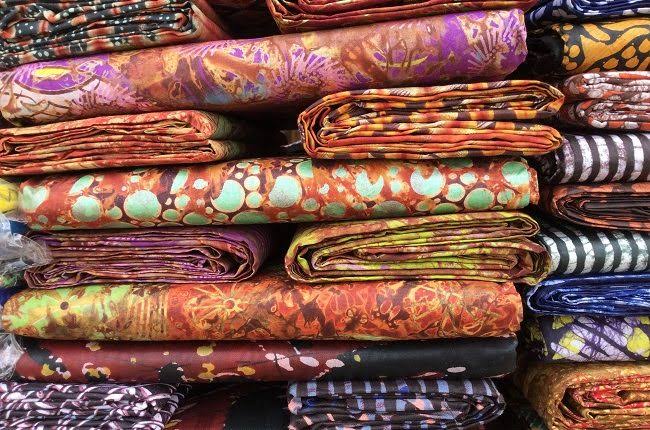
Adire textile is a resist-dyed cloth produced and worn primarily by the Yoruba people of southwestern Nigeria. The Yoruba label adire (meaning “tie and dye”) was first applied to indigo-dyed cloth decorated with resist patterns in the early twentieth century. By the second half of the twentieth century, broader colour palette of imported synthetic dyes was introduced. Adire then included a variety of hand-dyed textiles using wax-resist batik methods to produce patterned cloth in a dazzling array of dye tints and hues.

Adire textile production is assumed to be inborn; inherited by birth and the heritage passed on to descendants of families who were also involved in the production process. In Egba land, the craft was formerly known to be a family business. Parents passed the techniques down to their female children and the wives of their sons. For a long time, people who were not from a certain family were not allowed to partake in adire production as it was a part of the family’s heritage.



The Adire was first produced in Jojola’s compound of Kemta, Abeokuta by Chief Mrs. Miniya Jojolola Soetan, the second Iyalode (Head of Women) of Egba land. She then passed on the process to her children and onward to the future generations. The first Adire material was made with Teru (local white attire) and Elu (local Dye) made from elu leaf which is planted in the Saki area of Oyo state.

The 1930s brought with it innovations that allowed men to partake in adire making, which was primarily a female craft.  Women remained specialists in the dyeing, tying, hand-painting, and hand-sewing done prior to dyeing, but the men became involved in decorating techniques using stitching machine and applying starch through zinc stencils.

By the 1960s a growing availability of chemical dyes from Europe caused a revolution in colour and techniques. This, of course, attracted the Nigerian fashion designers who now adapt the designs to print high-quality cloth and have transformed the art of adire into an entrepreneurial craft. This craft can now be taught in institutions.

Today, new multi-coloured adire uses simple technology and hot wax or paraffin are used as resist agents in place of the indigenous cassava paste. Designs are created by simple techniques including tie-dye, folding, crumpling, and randomly sprinkling or splashing the hot wax onto a cloth before dyeing. To meet the high demand for adire, stencilling has largely been replaced by a block printing technique to apply the hot wax.

Whether created by old processes or new innovations, adire today continues to face fashion challenges, and is still an alternative to machine prints. The textile appeals very much to the fashion conscious in Yorubaland, Nigeria, and on a global level.

Share. Facebook Twitter LinkedIn WhatsApp
Onyinyechi Nwanunobi
  • Website

Keep Reading

“Commemorating Kwibuka 32: Memory, Justice, And Rwanda’s Path To Renewal”

The Amazons Of Dahomey: Legend Of Benin’s Fearless Female Warriors

The Origin And Evolution Of Mammy Market In Nigeria

Alaafín Orompoto: The Fearless Queen Who Rode Into Battle And Shaped Oyo History

“Dance, Spirit, And Healing: The Vimbuza Tradition Of Northern Malawi”

Monday Set For Nomination Of Ijebuland’s Next Awujale

Add A Comment

Comments are closed.

Here is spotlighting many benefits of journeying with either Lagos State’s Blueline or Redline rails for a hassle-free day, week, month and year. Thank God for the Igbega Eko. Together we rise.
https://youtu.be/V67GV8wgyjw

Latest Posts

  • Guest Column: The $67 Million Disco — Why Nigeria Is Mispricing Its Power Sector — Adebayo Adesanya
  • Appointment Of Thomas “Tommy” Pigott As U.S. State Department Spokesperson
  • JUST-IN: Dangote Refinery Raises Petrol Price To ₦1,275/Litre Amid Rising Crude Costs
  • Protecting Children In The Digital Age
  • Beyond The Present Impasse: A Calibrated, Five-Pillar Strategic Roadmap For Restoring The Credibility, Cohesion, and Popular Legitimacy Of The Economic Community Of West African States — Tolulope A. Adegoke, PhD
Featured
About Fishe

FISHE was founded with the goal of helping clients thrive in today’s highly competitive marketing environment. While other companies rush to abandon traditional marketing in favour of digital techniques, we’ve bolstered our offline marketing capabilities while also equipping our team with seasoned professional knowledge to support our clients’ digital needs.

Through creative designs, we enhance our clients’ products and services the right way that would attract their target audience, thus, making the perception of their company a reality.

  • LTV 8, Agidingbi Road, Alausa, Ikeja, Lagos.
  • +234 806 003 7277
  • info@gofishe.com
FISHE, Your Best Plug For Bus Stop Shelter Ad

LATEST POSTS

Guest Column: The $67 Million Disco — Why Nigeria Is Mispricing Its Power Sector — Adebayo Adesanya

April 29, 2026

Appointment Of Thomas “Tommy” Pigott As U.S. State Department Spokesperson

April 29, 2026

JUST-IN: Dangote Refinery Raises Petrol Price To ₦1,275/Litre Amid Rising Crude Costs

April 29, 2026

Protecting Children In The Digital Age

April 27, 2026

Beyond The Present Impasse: A Calibrated, Five-Pillar Strategic Roadmap For Restoring The Credibility, Cohesion, and Popular Legitimacy Of The Economic Community Of West African States — Tolulope A. Adegoke, PhD

April 27, 2026
Featured

Subscribe to Updates

Get the latest news from FISHE about politics, economy, health and business, etc

Facebook X (Twitter) Instagram Pinterest
© 2026

Type above and press Enter to search. Press Esc to cancel.